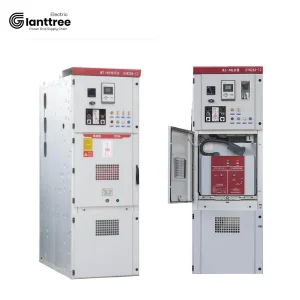
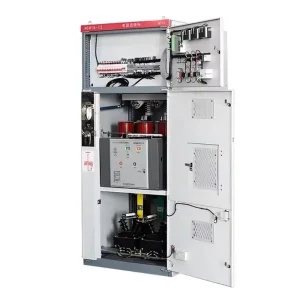
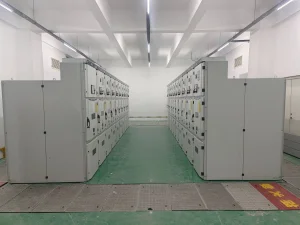
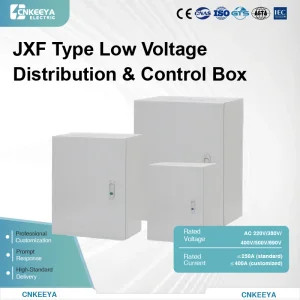
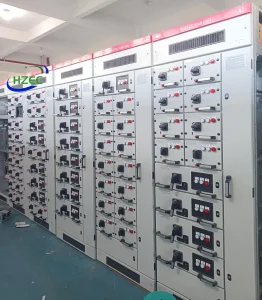
Explore our integrated low & medium voltage power transmission components engineered for modern industrial systems.
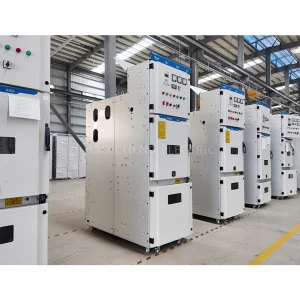
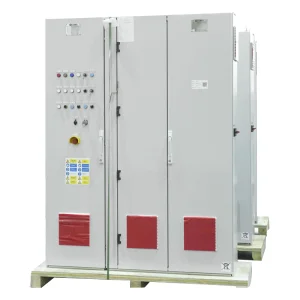
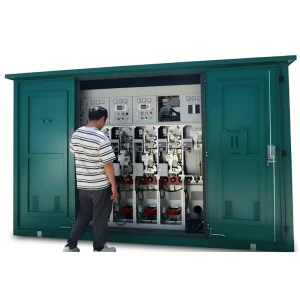
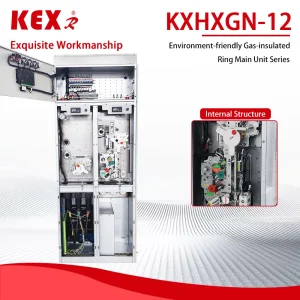
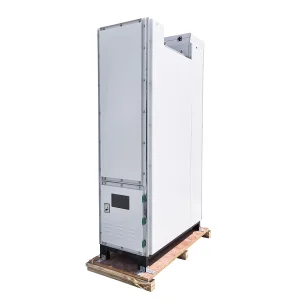
In the current industrial era characterized by electrification, high-density computing (data centers), and modern heavy manufacturing, the requirements for efficient power distribution have expanded exponentially. Cable distribution is increasingly proving insufficient due to spatial constraints, complex installation schedules, and thermal accumulation in confined runs. Consequently, Air Insulated Busway (AIS) systems have become the preferred choice for industrial engineering, serving as the heavy-duty power highways of modern architecture.
Unlike sandwich (compact) busways, Air Insulated Busways use defined air gaps between the conductors as the primary dielectric medium, supplemented by heat-shrinkable sleeving or insulation supports. This structural configuration delivers superior heat dissipation via natural air convection and guarantees high short-circuit withstand capabilities. It is highly valued in settings with fluctuating load curves and harsh harmonics. The global demand for high-capacity AIS (typically ranging from 400A to over 6300A) is fueled by rapid urbanization, massive investments in utility grids, and the expansion of smart manufacturing facilities.
Top global exporters have established strict compliance structures aligned with international design protocols like IEC 61439-6 and UL 857. Selecting the right manufacturer requires assessing conductor purity, housing materials (galvanized steel vs. extruded aluminum alloys), joint pack designs, thermal expansion mitigation, and local validation. This whitepaper analyzes these metrics, highlighting supply chain advantages that assist engineering teams in making informed procurement decisions.
Designing and implementing an Air Insulated Busway requires balancing electrical performance, mechanical limits, and safety standards. Electrical engineers focus on several key parameters during design verification:
Calculates the busway's capacity to withstand high short-circuit fault currents (Icw) without sustaining mechanical deformation or structural damage, standardizing on 50kA, 80kA, or 120kA per second.
While standard AIS runs at IP31/41 for dry indoor applications, top-tier manufacturers offer specialized designs reaching IP54, IP55, and IP66 for outdoor, high-humidity, and dusty industrial sites.
Calculates power losses across long horizontal and vertical runs, utilizing optimized conductor spacing and high-conductivity copper (grade T2, purity >99.95%) or top-grade 6000-series aluminum alloys.
A primary design focus for AIS is joint temperature control. The single-bolt joint remains the industry standard. These joints utilize double-sided, large-surface disc springs (Belleville washers) to maintain high contact pressure over years of thermal cycling. High-performance busways feature joints coated in silver or tin to prevent copper oxide buildup, which is a major cause of resistance increases and thermal failure.
| Engineering Attribute | Copper Conductor (Cu) | Aluminum Conductor (Al) | Selection & Application Factor |
|---|---|---|---|
| Electrical Conductivity | 100% IACS (>99.95% purity) | 61% - 62% IACS (6000 series) | Copper offers lower impedance and reduced cross-sections. |
| Mechanical Weight | High (approx. 8.9 g/cm³) | Low (approx. 2.7 g/cm³) | Aluminum systems lower building structural load requirements. |
| Thermal Expansion Coeff. | 16.5 x 10⁻⁶ / K | 23.1 x 10⁻⁶ / K | Aluminum requires more expansion joints on long runs. |
| Corrosion Resistance | Excellent (Silver/Tin plated) | Good (Requires nickel/tin coating) | Special plating is critical to prevent galvanic degradation. |
A key challenge in export markets is aligning equipment design with local operating conditions and regulatory frameworks. Engineering requirements vary significantly by region:
1. North America (UL 857, NEMA BU 1)
Installations must meet UL 857 and the National Electrical Code (NEC). Key design considerations include keeping temperature rises below 55°C above ambient levels, using NEMA 3R enclosures for outdoor sections, and managing the 60Hz frequency cycle, which generates more inductive reactance than European 50Hz grids.
2. Europe & Oceania (IEC 61439-6, AS/NZS 3439.2)
The European market requires strict adherence to IEC 61439-6. This standard mandates type-tested designs validated by third-party certification bodies like DEKRA, KEMA, or ASTA. Key performance metrics include verifying electromagnetic compatibility (EMC), performing fire barrier testing (DIN 4102), and testing performance under seismic stress.
3. Southeast Asia & Middle East (High Temperature & Humidity)
In hot climates where ambient temperatures often exceed 45°C, thermal de-rating is critical. Standard designs must be adapted using larger conductor sizes or heat-dissipating housing designs. For coastal regions with high humidity and salt spray, manufacturers apply marine-grade coatings and IP55+ enclosures to prevent corrosion and tracking faults.
4. Hyperscale Data Centers & High-Tech Cleanrooms
Modern data centers rely heavily on busway systems for overhead power distribution to server racks. These environments require low-smoke, zero-halogen (LSZH) insulation coatings to protect sensitive electronic components. Additionally, plug-in tap-off boxes must be hot-swappable to allow system upgrades without powering down the entire line.
China's industrial sector has become the global hub for heavy electrical power distribution systems. This growth is driven by vertically integrated supply chains, advanced automation, and highly efficient manufacturing processes. Dongguan Zago Electric Co., Ltd. exemplifies these strengths, serving as an industry leader in engineering, manufacturing, and exporting premium power distribution systems.
Established in 2011 and located in Dongguan, Guangdong Province, China, Zago Electric operates a modern manufacturing facility covering more than 12,000 square meters. The company employs over 220 skilled professionals, including specialized electrical engineers, quality control specialists, and fabrication technicians. Zago Electric integrates R&D, electrical engineering, precision sheet metal fabrication, automated assembly, and comprehensive quality assurance to produce low-voltage and medium-voltage switchgear, motor control centers, power distribution boards, and customizable power management systems.
The company maintains high quality standards by investing heavily in manufacturing infrastructure. This includes high-precision CNC punching, laser cutting systems, automatic powder coating lines, and computerized primary current injection testing equipment. These facilities ensure that all exported systems deliver long-term reliability and strict compliance with global safety standards.
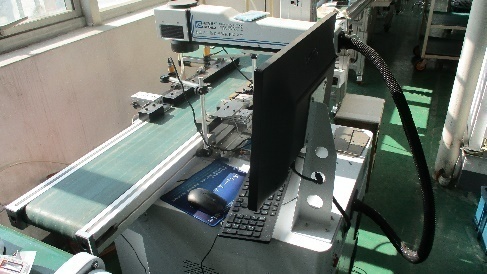
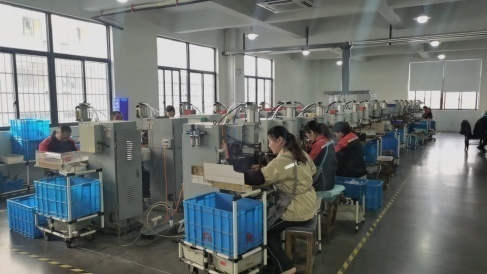
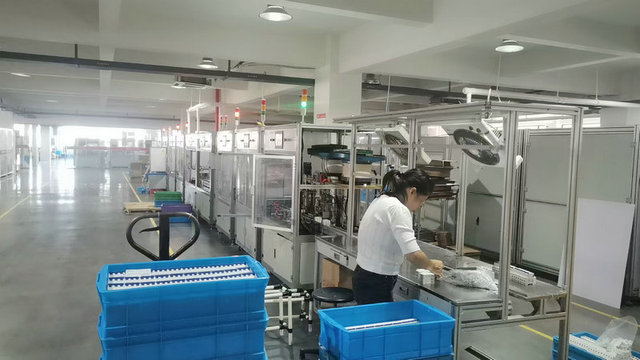
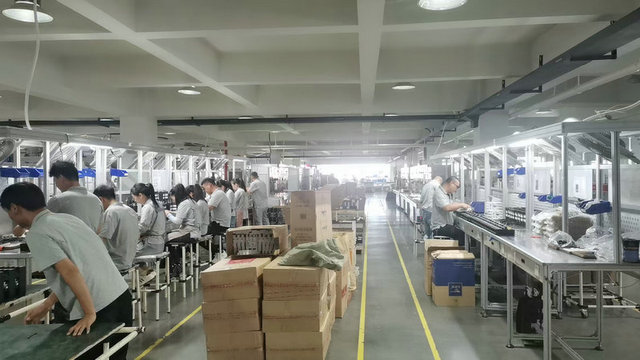
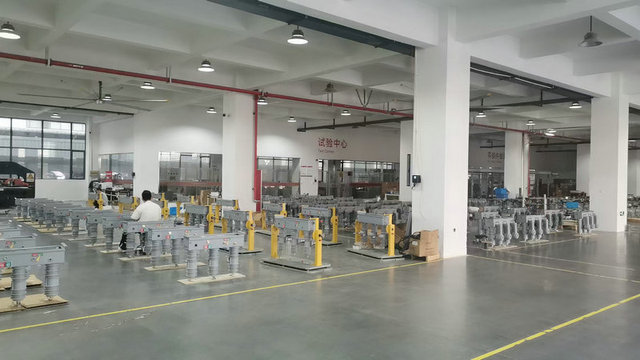
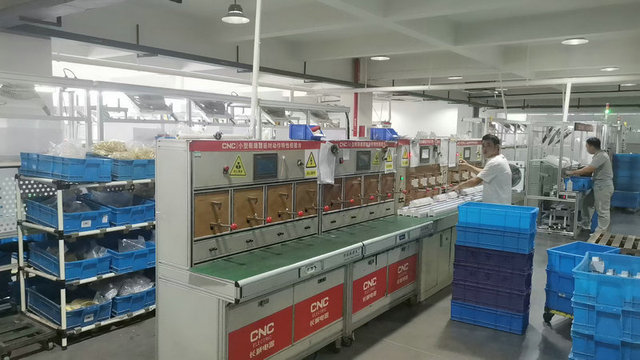
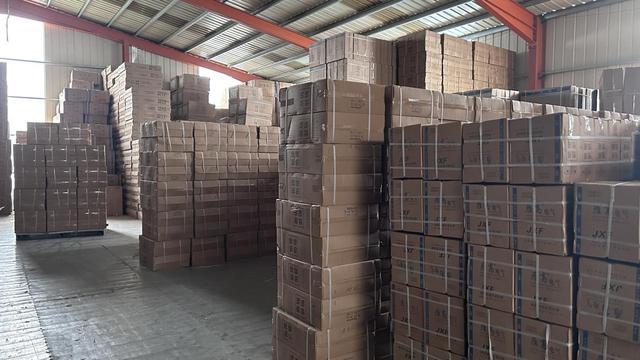
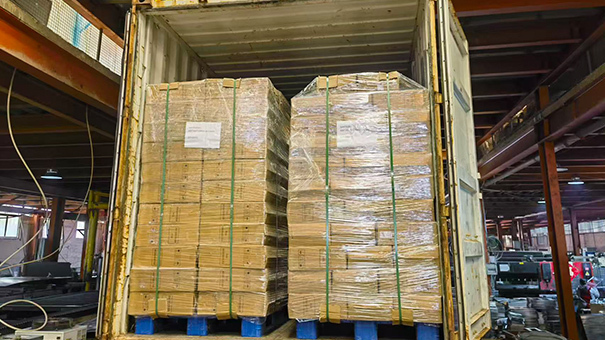
Zago Electric's location in the Pearl River Delta provides access to high-grade raw materials (such as T2-grade electrolytic copper and marine-grade aluminum alloys) and top-tier logistics hubs. This infrastructure enables shorter lead times, cost-effective shipping, and reliable delivery for complex global projects. Whether providing OEM or ODM services, the company designs custom power solutions for data centers, high-rise developments, heavy industrial plants, and utility grids across Europe, North America, Southeast Asia, and Latin America.
The power distribution industry is evolving from passive mechanical conductors to intelligent, sensor-equipped digital systems. Key trends shaping the future of busway and switchgear engineering include:
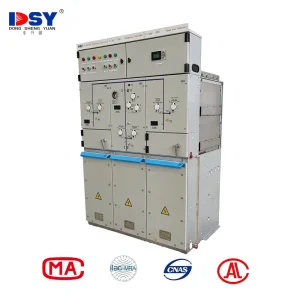
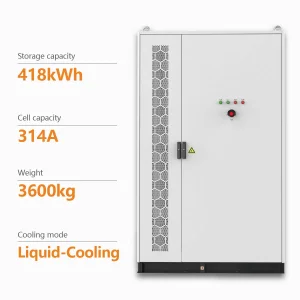
Explore our high-performance gas-insulated switchgear, energy storage systems, and custom automation control enclosures.

 Zago Electric