Power Line Communication (PLC) technology utilizes existing medium-voltage (MV) and low-voltage (LV) power cables to transmit high-speed data signals. This eliminates the requirement for parallel communications infrastructure such as dedicated copper control wiring or fiber optic links. Modern grid operators are faced with massive deployment challenges when upgrading secondary distribution systems to enable real-time telemetry, automated metering infrastructure (AMI), and distributed energy resource (DER) monitoring.
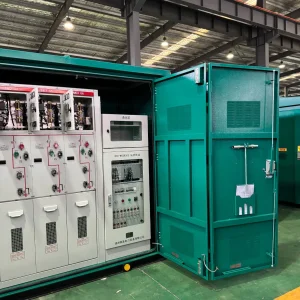
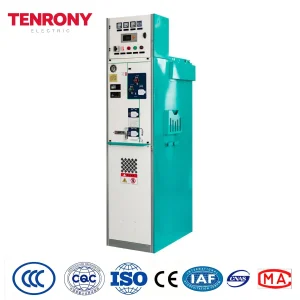
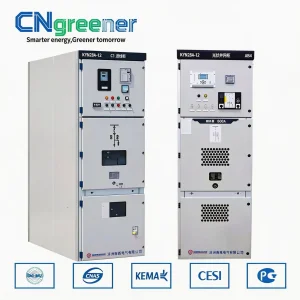
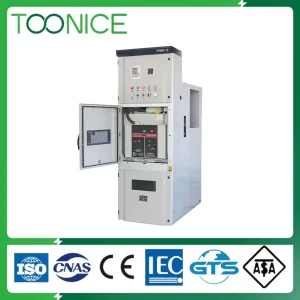
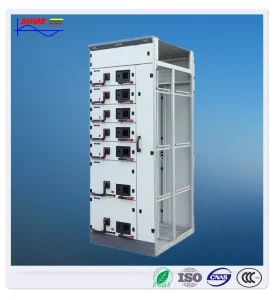
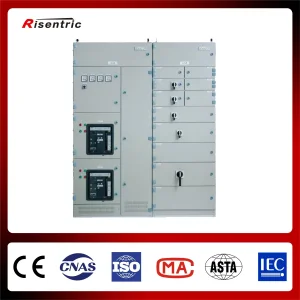
By integrating PLC transceivers directly within electrical distribution apparatus—including ring main units (RMU), low-voltage switchboards, and motor control centers (MCC)—manufacturers establish a dual-purpose system. A single physical connection handles both high-amperage power delivery and deterministic data exchange. This design substantially reduces deployment overhead, optimizes field maintenance, and delivers a robust communication backhaul tailored to utility and commercial automation.
Industrial power grid architectures deploy two distinct variants of PLC technology, each suited to specific field operations:
Purchasing high-performance power distribution gear with integrated PLC capabilities requires an understanding of regional manufacturing ecosystems. China's industrial base, particularly within the Pearl River Delta, has evolved from basic assembly plants to global centers of specialized power engineering.
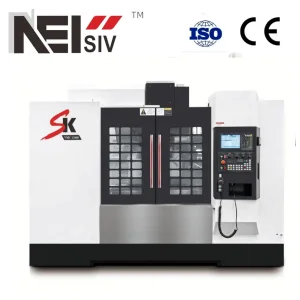
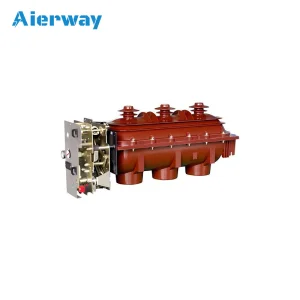
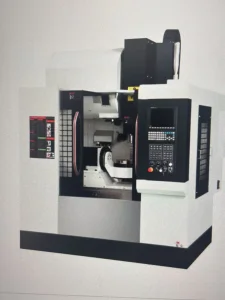
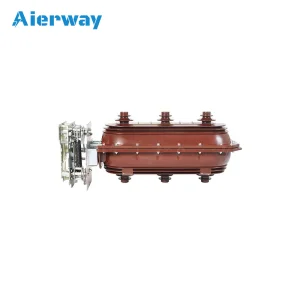
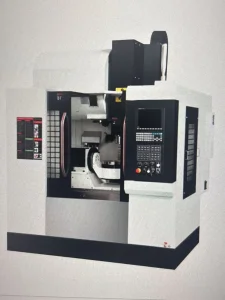
Chinese factories are closely integrated with local sub-component vendors. From precision CNC machining centers processing non-ferrous metals to SF6 gas load break switches and epoxy-cast bushings, every critical element is sourced within tight industrial corridors. This integration minimizes lead times and facilitates responsive engineering adjustments.
Massive domestic grid upgrades coordinated by utilities like State Grid Corporation of China (SGCC) have driven local testing of HPLC protocols. This large-scale validation allows manufacturers to optimize PLC coupler designs, signal filters, and noise-cancelling algorithms, amortizing engineering development costs over very large volumes.
Chinese electrical export facilities run in compliance with international testing frameworks. Products undergo validation under IEC standards, KEMA type testing, CE requirements, and UL directives. This ensures that the physical switchgear enclosure, internal busbar layout, and PLC transceivers perform reliably under harsh operational conditions.
Integrating PLC technology into standard switchgear enclosures transforms generic hardware into intelligent nodes capable of supporting complex distribution strategies. Below are typical use cases for modern deployments:
In densely populated urban environments, routing dedicated communication cables through underground conduits is cost-prohibitive. PLC-enabled low-voltage switchboards and distribution boxes collect billing data, load profiles, and tamper warnings directly from smart meters over existing phase conductors. This data is aggregated at the MV/LV transformer station and forwarded to centralized SCADA systems.
Solar farms, wind installations, and battery energy storage systems (BESS) require high-speed control feedback loops to manage voltage fluctuations and reactive power injection. By deploying broadband PLC within compact gas-insulated switchgear (GIS) units, operators maintain constant communication between inverter control panels and primary protective relays without risking signal attenuation from electromagnetic fields.
Industrial plants (such as chemical refineries, metal fabrication facilities, and mine shafts) generate significant electromagnetic interference (EMI). Traditional wireless data links often suffer from dropouts in these environments. Using shielded, medium-voltage power cables as communication lines provides a reliable pathway for SCADA control signals, motor load feedback, and predictive thermal tracking.
Large-scale electric vehicle (EV) charging plazas require dynamic load management to prevent local grid overload. PLC communication (specifically ISO 15118) runs directly through the charging cable. By housing PLC controllers within the primary upstream distribution board, the system balances power allocations dynamically based on real-time feedback from individual vehicle battery management systems.
Procurement engineers and systems integrators must define clear design constraints to ensure seamless integration of Chinese PLC switchgear into international networks. The matrix below outlines key evaluation parameters:
PLC signals operate at high frequencies and must be isolated from standard grid frequencies (50Hz/60Hz). Coupling transformers and high-voltage capacitors must provide isolation up to the rated impulse withstand voltage (typically 12kV to 95kV) while preventing signal attenuation across inductive transformer windings.
Standard low-voltage switchboards house variable frequency drives (VFDs) and digital control units that emit high-frequency electromagnetic noise. Ensure that the enclosure features dedicated EMC shielding, proper frame grounding, and noise-rejection filters to isolate the PLC communication band from ambient line noise.
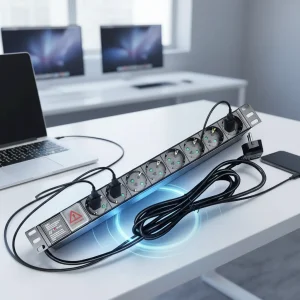
PLC elements deployed in outdoor, coastal, or high-humidity environments require robust packaging. Enclosures must feature IP65 or IP66 protection ratings, dynamic thermal management (such as anti-condensation space heaters), and standard 19-inch rack-mount configurations to simplify field upgrades and replacement.
Dongguan Zago Electric Co., Ltd. is a professional electrical switchgear manufacturer specializing in low-voltage switchgear, medium-voltage switchgear, and integrated power distribution solutions for industrial, commercial, utility, and infrastructure applications. The company provides OEM and ODM services to electrical contractors, engineering companies, system integrators, distributors, and project developers worldwide.
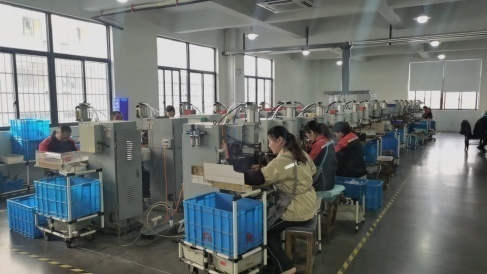
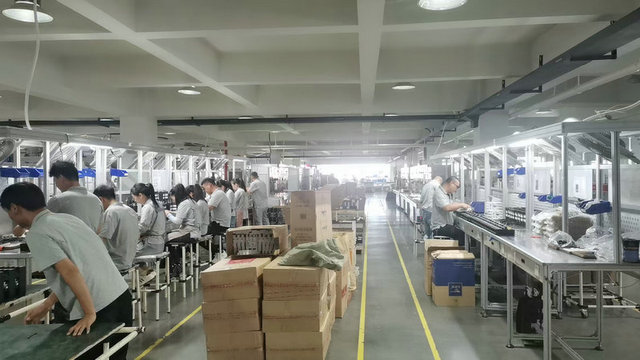
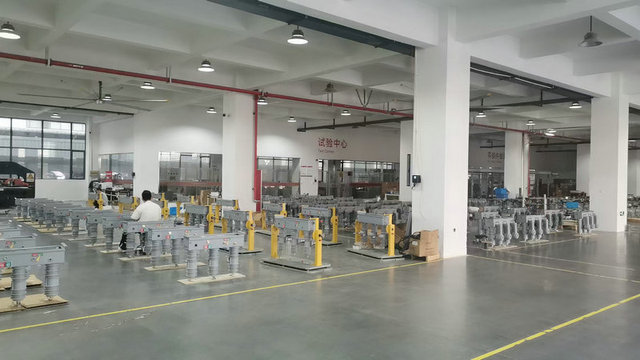
Established in 2011 and located in Dongguan, Guangdong Province, China, Zago Electric operates a modern manufacturing facility covering more than 12,000 square meters and employs over 220 skilled professionals. The company combines research and development, electrical engineering, precision manufacturing, quality assurance, and technical support to deliver reliable power distribution equipment for diverse industries.
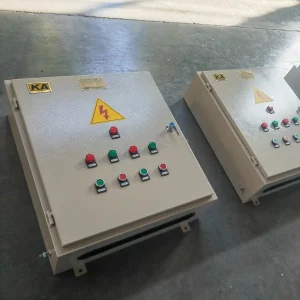
Zago Electric offers a comprehensive portfolio of electrical products, including low-voltage switchgear, medium-voltage switchgear, power distribution panels, motor control centers, distribution boards, intelligent electrical control systems, and customized power management solutions. These products are widely used in manufacturing plants, commercial buildings, renewable energy projects, transportation infrastructure, data centers, utility networks, and industrial automation systems.
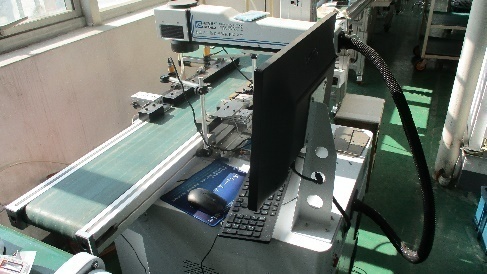
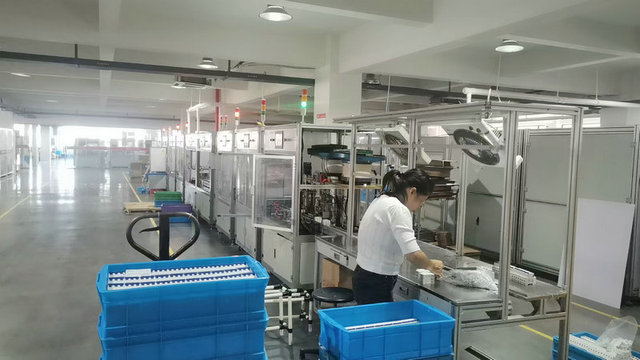
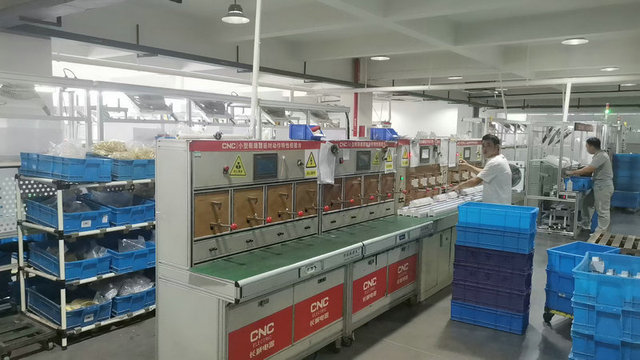
The company places strong emphasis on product safety, operational reliability, and compliance with international industry standards. Advanced sheet metal fabrication equipment, automated assembly lines, precision testing instruments, and comprehensive quality control procedures are implemented throughout the production process to ensure consistent product performance and long-term service reliability.
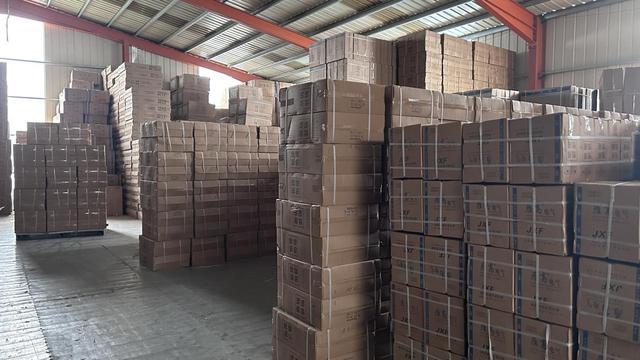
With products exported to Europe, North America, Southeast Asia, the Middle East, Africa, and Latin America, Dongguan Zago Electric Co., Ltd. has established long-term partnerships with customers seeking dependable electrical distribution solutions. Through continuous investment in technology, engineering expertise, and manufacturing capabilities, the company remains committed to providing efficient, safe, and customized switchgear systems that support modern power distribution and energy management requirements across global markets.

 Zago Electric