Zago Electric
1 / 5
| Model NO. | High And Low Voltage Switchgear | Voltage Level | Medium Voltage |
|---|---|---|---|
| Installation | Removable | Structure | Floorstanding |
| Current | DC | Product Name | High and Low Voltage Switchgear |
| Keywords | Voltage Switchgear | Primary Function | Electrical Power Distribution, Protection |
| Main Applications | Power Substations, Industrial Plants | Input Voltage | Supports Standard Input Voltages |
| Color | Standard Industrial Colors | Production Capacity | 100,000 sets/Year |
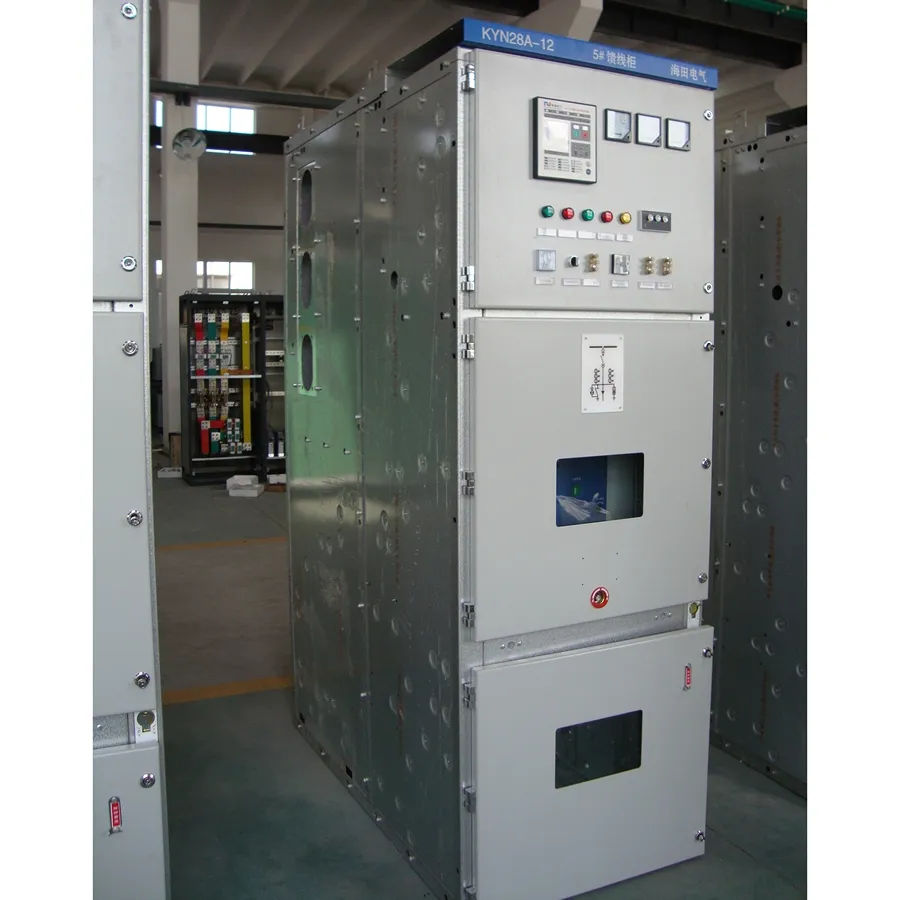
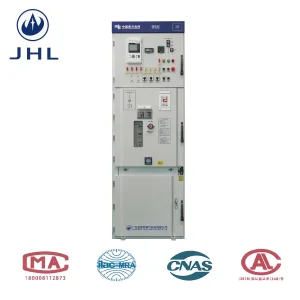
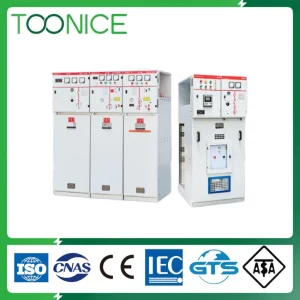
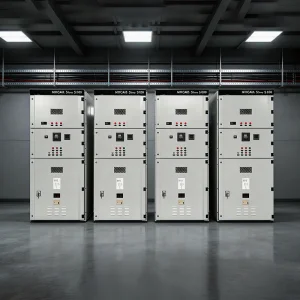
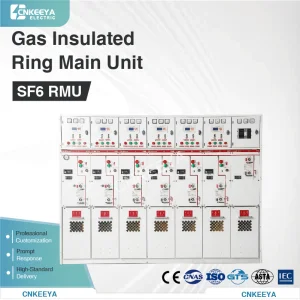
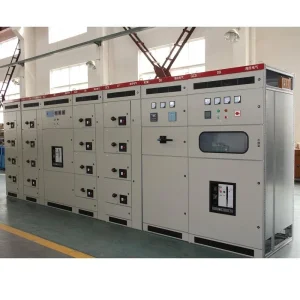
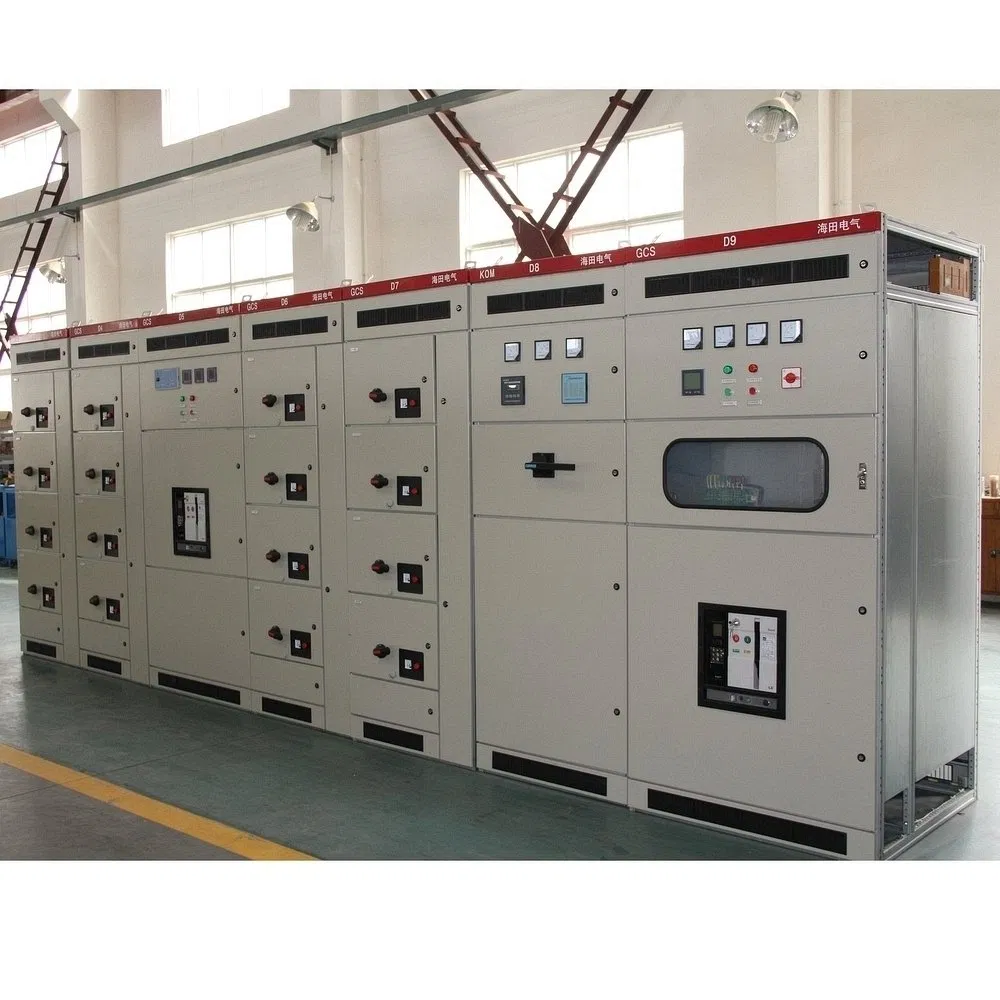
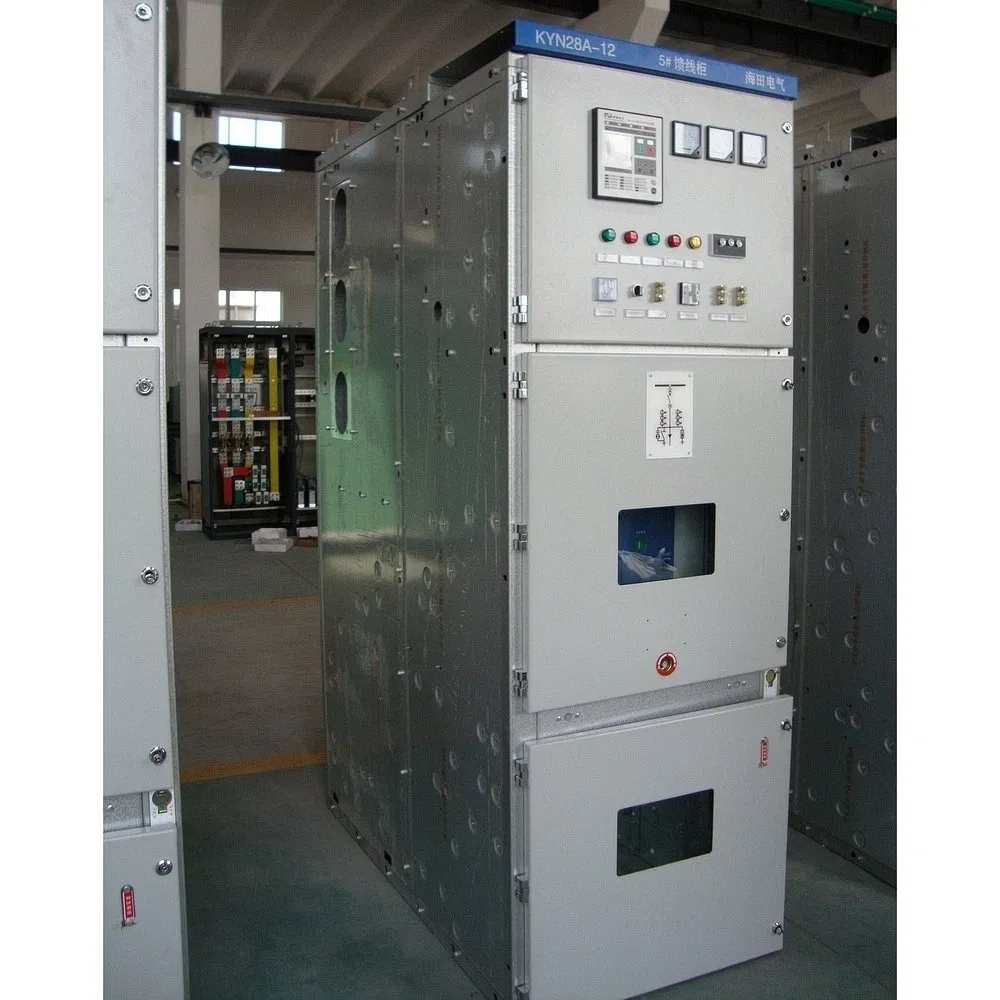
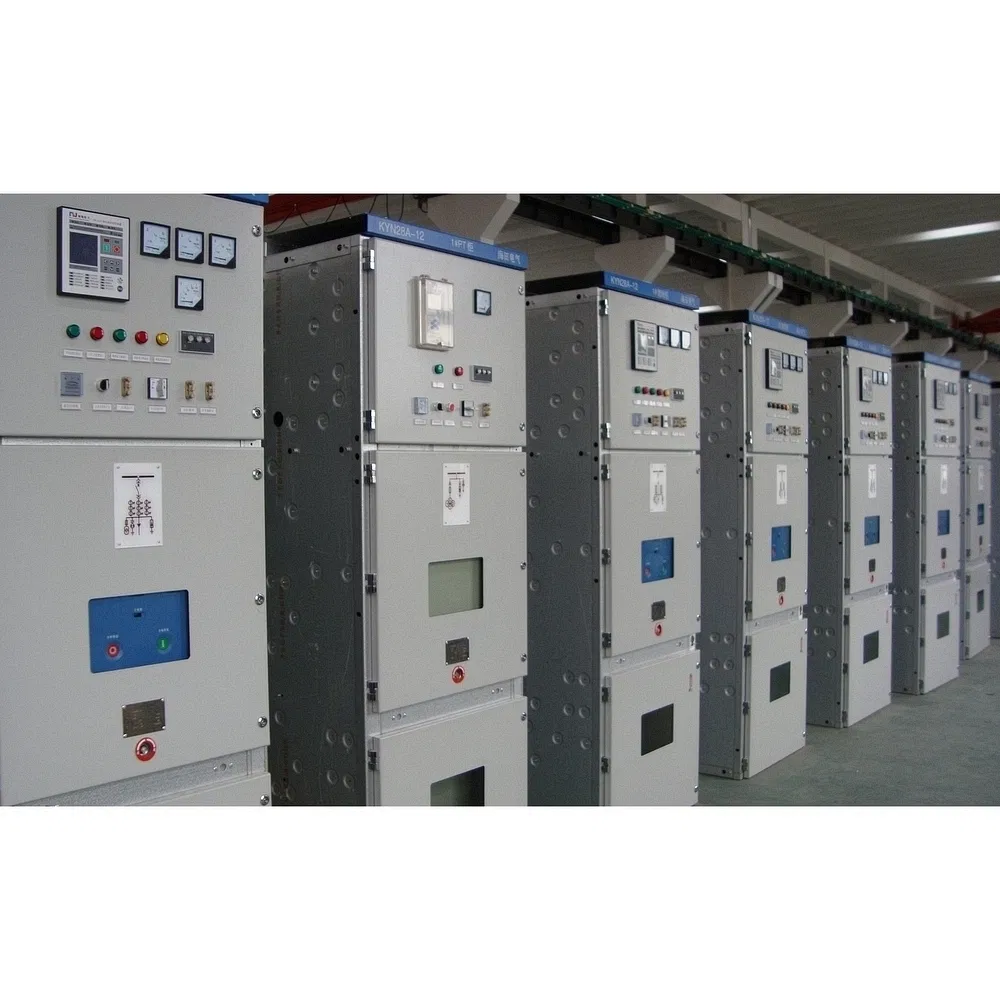
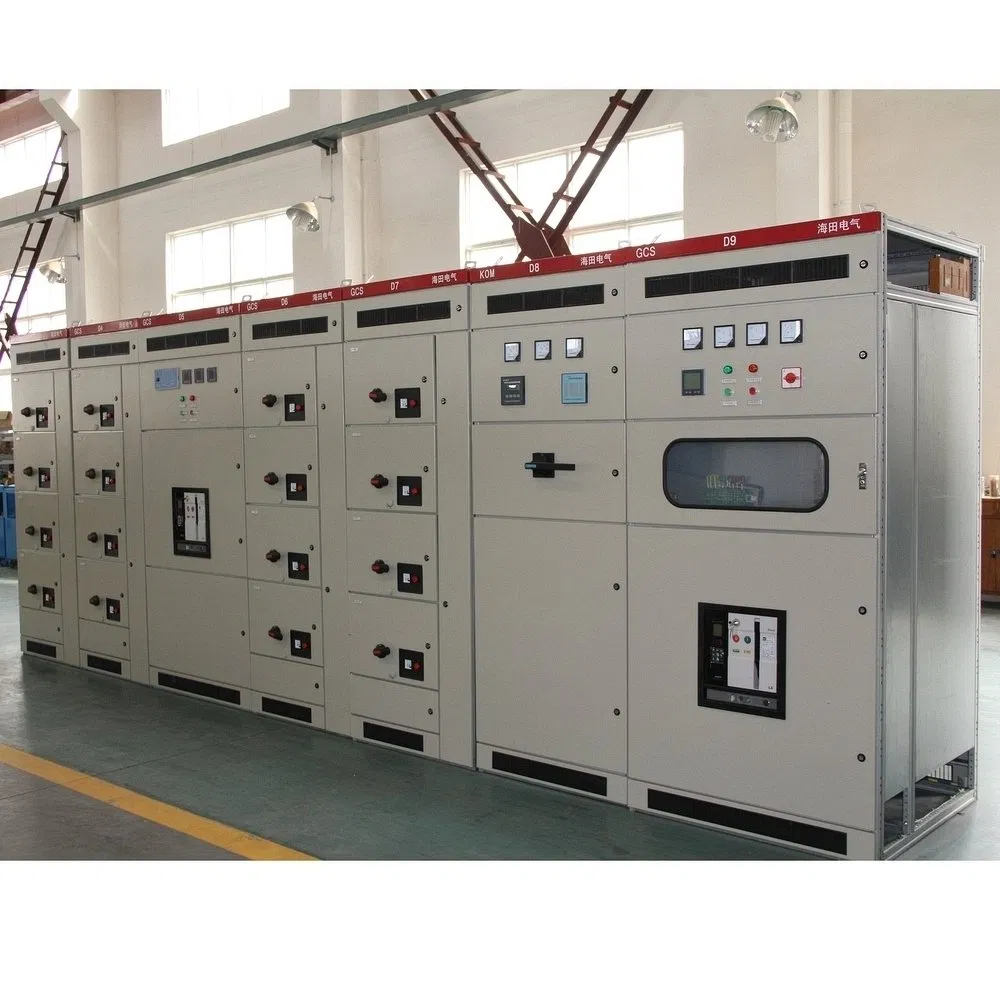
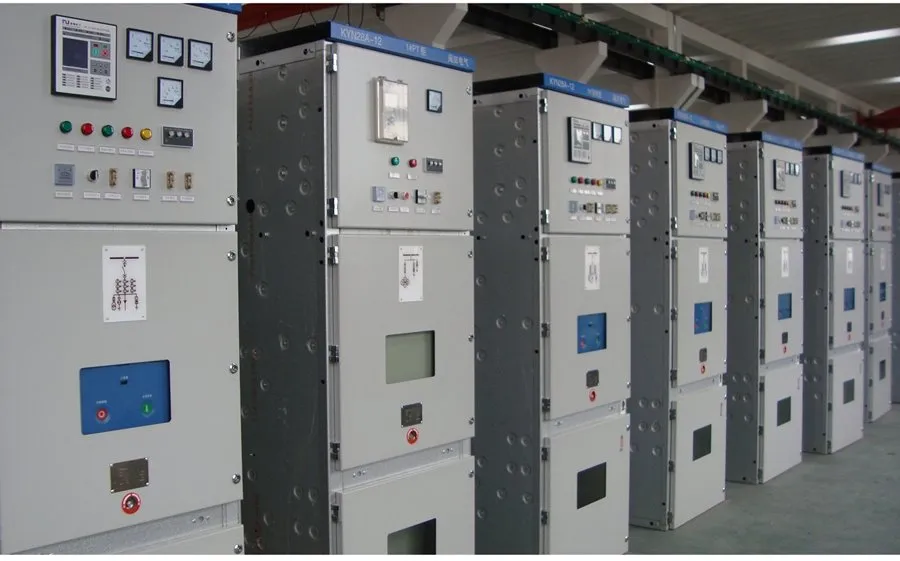
HIGH AND LOW VOLTAGE SWITCHGEAR
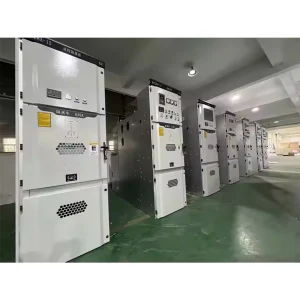
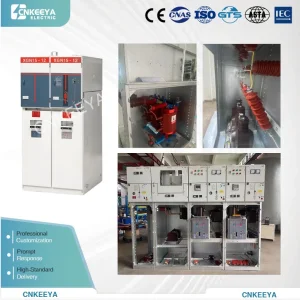
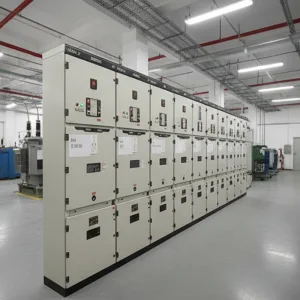
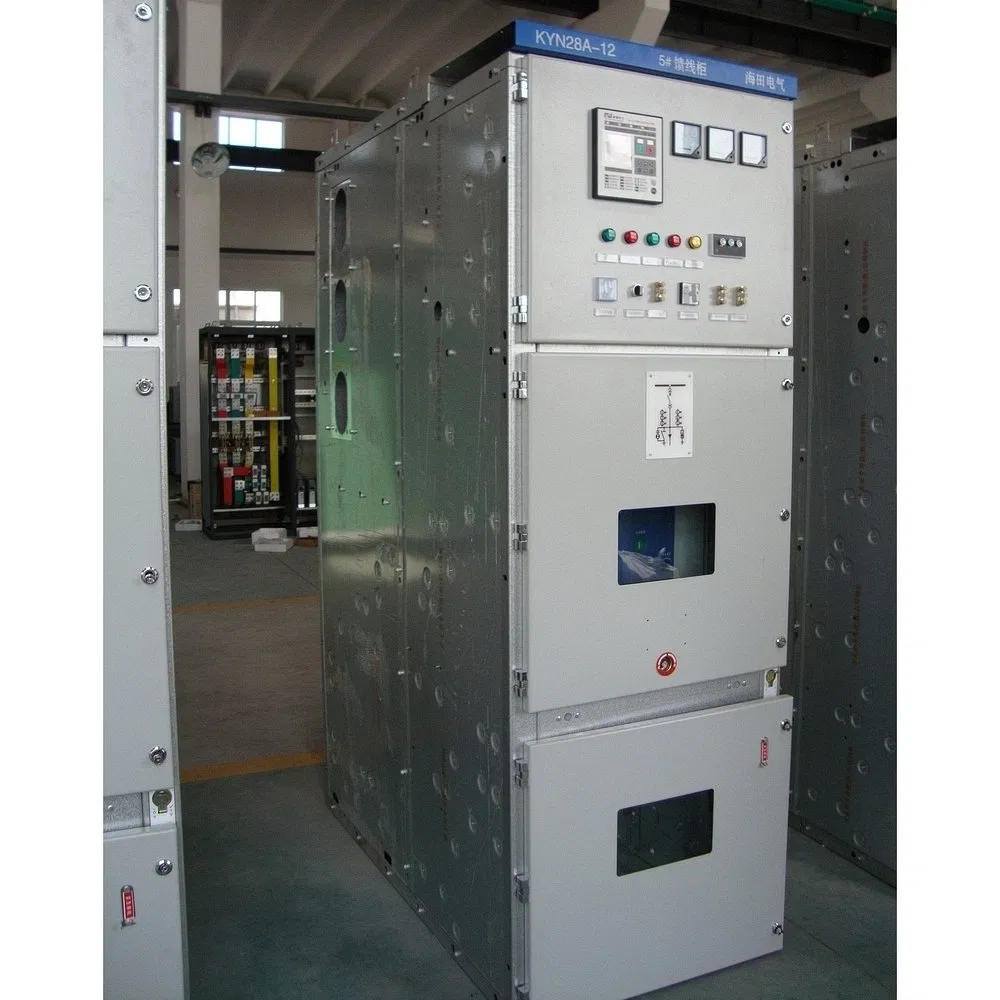
High and low voltage switchgear are essential electrical protection systems designed to safely control, protect, and isolate electrical circuits in power distribution networks.
These robust electrical control panels combine circuit breakers, disconnect switches, and protective relays to ensure reliable operation of electrical systems.
Flexible modular construction allows easy system expansion, reconfiguration, and component replacement without major downtime, providing long-term scalability.
Optimized enclosure design reduces installation space requirements compared to conventional switchgear, maximizing valuable floor space in crowded electrical rooms.
Reduce maintenance intervals and provide superior switching performance with minimal environmental impact throughout the operational lifecycle.
| SWITCHGEAR TECHNICAL DATA | ||
|---|---|---|
| Rated Voltage | KV | 12(24) |
| Rated Power-Frequency Withstand Voltage(1Min) | KV | 42(65) |
| Rated Lightening Impulse Withstand Voltage | KV | 75(125) |
| Rated Frequency | Hz | 50 |
| Rated Main Bus Bar Current | A | 16,001,200,250,031,500,000 |
| Rated Branching Bus Bar Current | A | 630, 1250, 1600, 2000, 2500, 3150, 4000* |
| 4S Short-Time Withstand Current(Rms.) | KA | 16, 20, 25, 31.5, 40 |
| Peak Withstand Current(Peak.) | KA | 40, 50, 63, 80, 100, 125 |
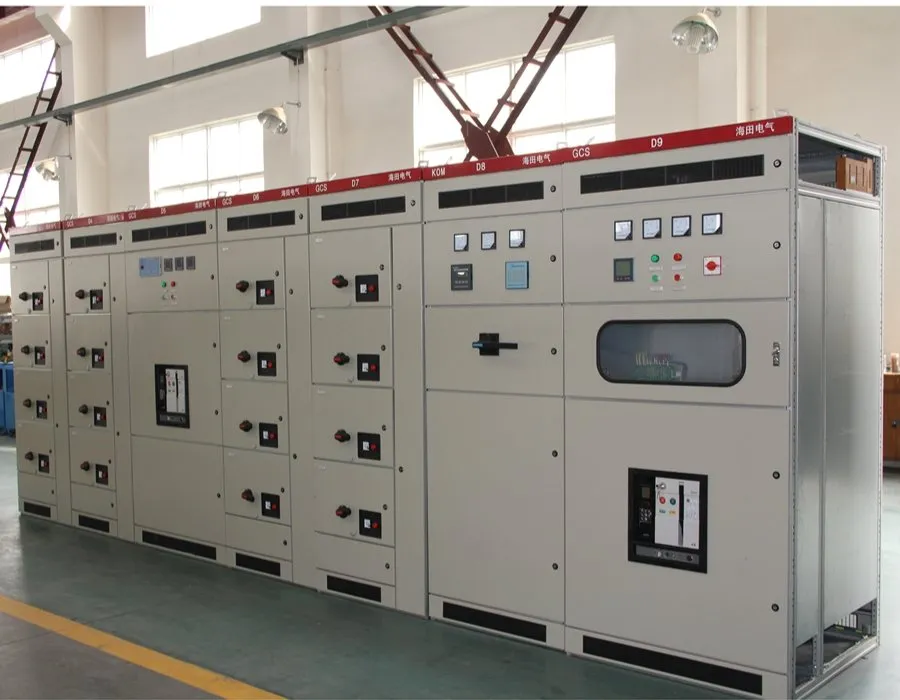
Front-accessible design with removable components enables live maintenance and replacement while maintaining safe working distances.
Single platform accommodates multiple voltage levels with standardized components, reducing inventory complexity and training requirements.
Low-loss designs with optimized conductor sizing and advanced insulation materials reduce operational costs and carbon footprint.
Standardized designs with factory pre-testing enable accelerated project schedules, reducing lead times for critical infrastructure.