Zago Electric
Transforming Energy: Strategic Whitepaper on Next-Gen Transformer & Switchgear Technologies
The global power distribution landscape is undergoing a massive shift. As grids transition from centralized fossil-fuel generation to decentralized renewable sources, the load demands on transformers and medium-voltage switchgears have changed dramatically. Modern electrical networks require infrastructure that is not only highly reliable but also flexible enough to handle bidirectional power flows, volatile harmonics, and transient voltage fluctuations.
1. Industry Evolution: The Smart Grid and Decarbonization Paradigm
For decades, electrical distribution relied on static layouts with unidirectional power flow. Today, the rise of solar, wind, and utility-scale battery energy storage systems (BESS) demands intelligent grid components. Modern transformer solutions are expected to interface directly with intelligent electronic devices (IEDs) and supervisory control and data acquisition (SCADA) systems to dynamically manage thermal constraints and prevent insulation deterioration.
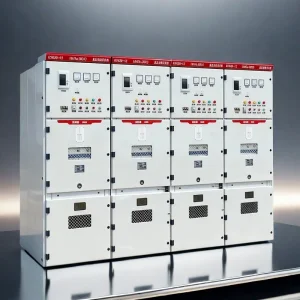
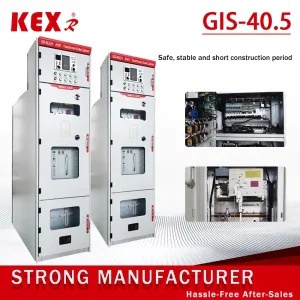
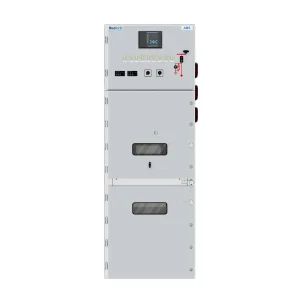
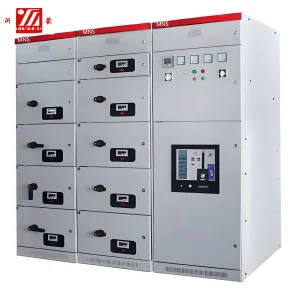
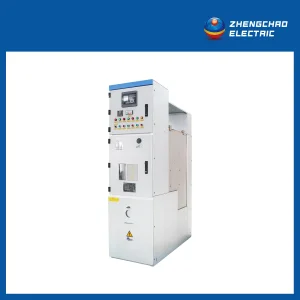
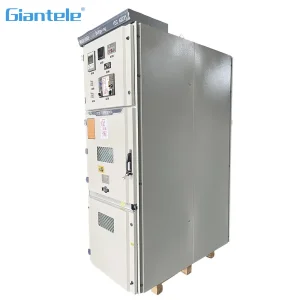
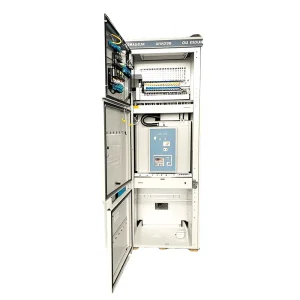
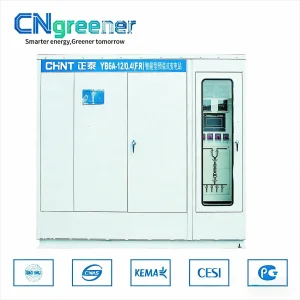
Furthermore, decarbonization targets are driving the phasing out of Sulfur Hexafluoride (SF6) gas, traditionally used in Gas Insulated Switchgears (GIS) due to its high global warming potential. Manufacturers are pivoting toward synthetic air, fluoronitrile-based gas mixtures, and vacuum-interrupter technologies that offer the same electrical insulation ratings without environmental penalties. Dongguan Zago Electric Co., Ltd. is positioned at the forefront of this evolution, delivering custom MV switchgears and transformer interfaces designed to optimize grid reliability under these shifting conditions.
"Decarbonizing industrial grids requires more than just scaling up renewable sources. It demands highly robust, digital-ready metal-clad switchgear architectures that can buffer rapid transient swings without triggering system failures."
2. Global Procurement Dynamics & Strategic Supply Chain Resilience
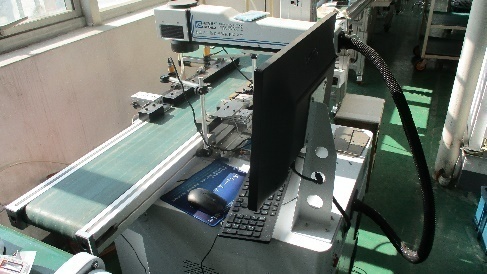
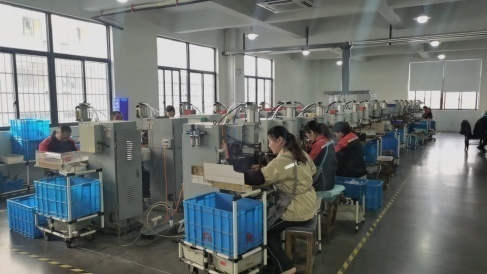
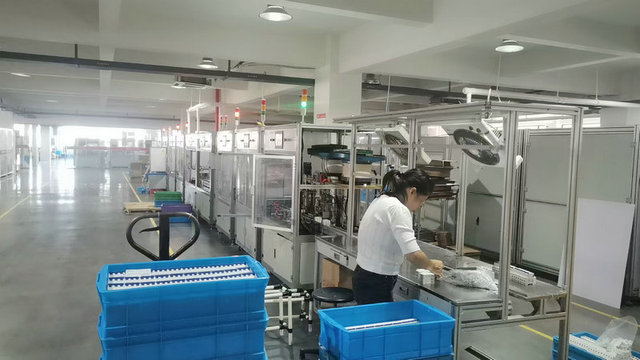
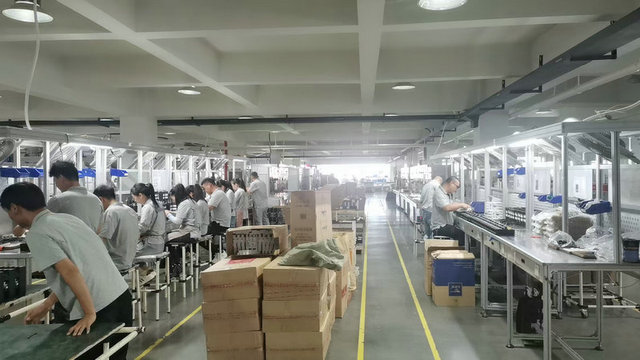
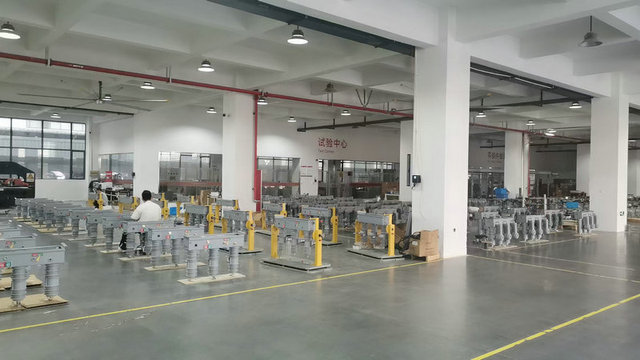
Global procurement teams in EPC firms, industrial utilities, and data centers face serious supply chain challenges. Transformer and high-voltage switchgear lead times have surged globally due to raw material volatility (such as electrical steel, copper, and specialized insulation oils). To mitigate these risks, systems integrators are increasingly selecting trusted manufacturers capable of end-to-end design, custom metal fabrication, and comprehensive circuit validation under one roof.
Procurement audits prioritize factories that can demonstrate strict compliance with international testing frameworks. Key selection metrics include:
- Material Traceability: Ensuring the structural steel, copper winding, and dielectric mediums comply with strict manufacturing standards.
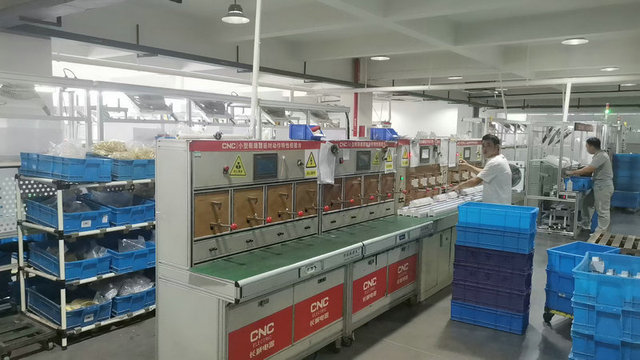
- Factory Acceptance Testing (FAT): Comprehensive testing of insulation resistance, power frequency withstand voltage, and mechanical lifecycle operation prior to dispatch.
- Design Flexibilities: The capability to adapt dimensions to fit existing substation footprints (retrofitted configurations).
3. Comprehensive Macro-Level Industry Solutions
Electrical challenges vary significantly by sector. To address these variations, custom electrical designs must be optimized for their specific application environments:
- Renewable Energy Systems: Solar PV and wind farm substations require mechanical and gas-insulated switchgears configured to withstand frequent, repetitive switching operations and extreme environmental exposures.
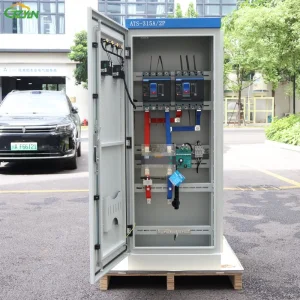
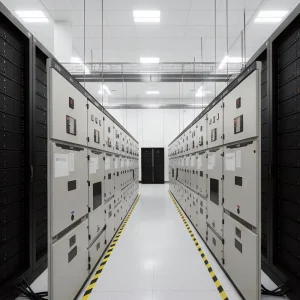
- Data Center Infrastructure: High-density data centers require maximum reliability. Automatic Transfer Switch (ATS) panels, redundancy schemes (N+1, 2N), and medium-voltage switchgear integrations are designed to prevent even momentary drops in voltage.
- Heavy Manufacturing Plants: High-power motor starting currents can drop network voltage. Motor control centers (MCCs) and robust circuit design protect sensitive automation systems from harmonic distortions.
4. Quality Assurance, Localized Support & Compliance Frameworks
Safety is the primary metric in high-voltage installations. Dongguan Zago Electric Co., Ltd. manufactures products that strictly adhere to International Electrotechnical Commission (IEC) standards, such as IEC 62271-200 for AC metal-enclosed switchgear. Ensuring compliance with local grid codes (such as IEEE/ANSI in North America, CE directives in Europe, and regional standards in South America) is essential for successful system commissioning.
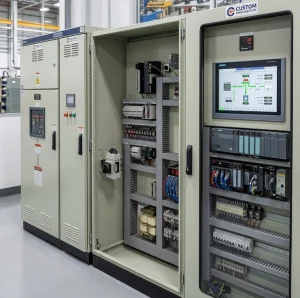
In addition to manufacturing, Zago Electric provides comprehensive documentation, circuit layout design, CAD drawing exports, and technical support. This level of support ensures that overseas electrical contractors can easily integrate these switchgear units into local SCADA interfaces, speeding up installation and commissioning times.
5. Technology Roadmap & Future Outlook
The next five years will see the integration of artificial intelligence (AI) and IoT sensing technologies directly into electrical distribution equipment. Thermal sensors on busbars, partial discharge (PD) monitoring systems, and mechanical lifecycle sensors will feed data into predictive maintenance engines, alerting operators to potential failures before they happen. This transition from schedule-based maintenance to condition-based maintenance will extend the operational lifespan of switchgears and transformers by up to 40%.