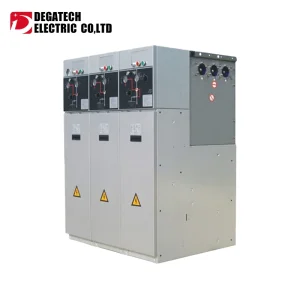
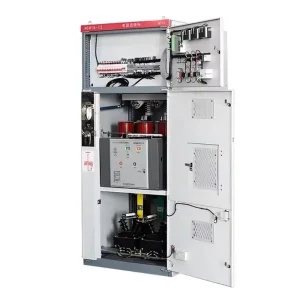
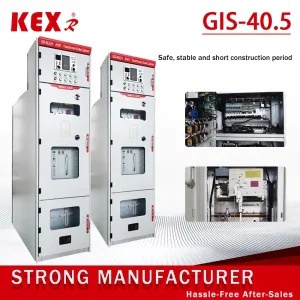
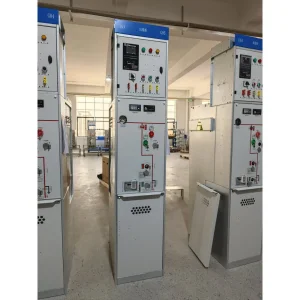
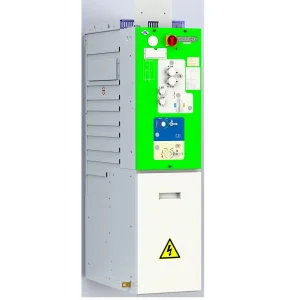
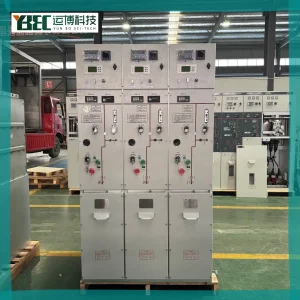
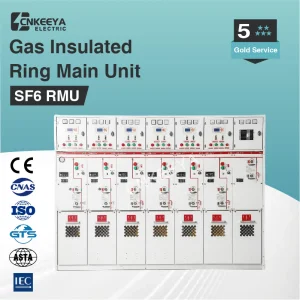
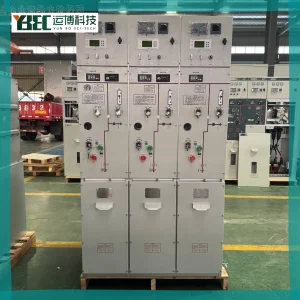
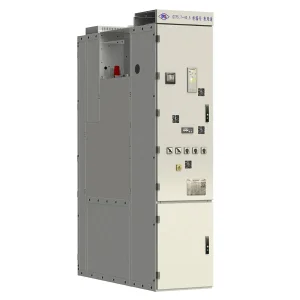
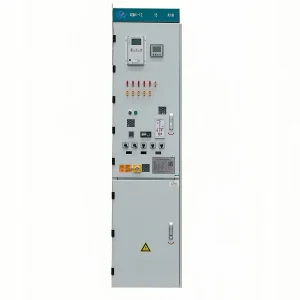
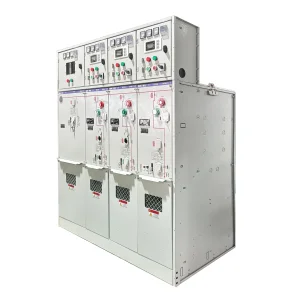
Highly secure and compact Gas Insulated Switchgear (GIS) tailored for the Equatorial Guinea power network.
Equatorial Guinea, located in the heart of Central Africa's oil-rich Gulf of Guinea, possesses a distinct macroeconomic framework heavily anchored in maritime offshore extraction, natural gas processing (principally at Punta Europa), and urban infrastructure expansions. As the country navigates its long-term development roadmap under "Horizonte 2035", the modernization of its electrical transmission and distribution (T&D) assets has emerged as a critical bottleneck. Crucially, the region's intense equatorial marine environment—marked by continuous relative humidity averaging 80% to 90%, excessive ambient temperatures, and saline sea breezes in coastal nodes like Malabo, Bata, and Luba—places extreme stress on traditional electrical infrastructure.
Conventional Air-Insulated Switchgear (AIS) under such conditions is severely prone to dielectric degradation, particulate ionization, and rapid galvanic corrosion of copper busbars and electrical contacts. This vulnerability necessitates the strategic deployment of Gas-Insulated Switchgear (GIS). GIS units enclose all high-voltage conductor assemblies, breaker structures, and disconnector switches within hermetically sealed steel vessels filled with pressurized Sulfur Hexafluoride (SF6) gas or eco-friendly alternative gas mixtures. This configuration isolates the critical components from atmospheric variables, guaranteeing unparalleled operational uptime for the nation's critical gas-to-power facilities, deep-water port operations, and municipal smart grids.
The national utility provider, SEGESA (Sociedad de Electricidad de Guinea Ecuatorial), has consistently aimed to establish a unified transmission grid bridging continental Rio Muni with Bioko Island via advanced subsea cable networks and robust land-based substations. Within this network topology, switchgear technology must exhibit absolute resilience against frequent voltage fluctuations and atmospheric lightning discharges. The adoption of GIS systems directly supports these operational objectives by:
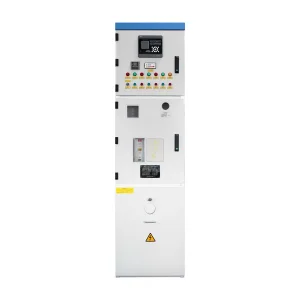
Engineered to deliver uninterrupted secondary distribution across technology hubs and industrial zones.
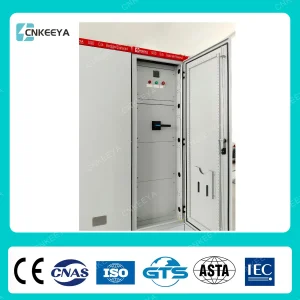
Selecting the appropriate switchgear technology demands a careful review of lifetime operational expenditures (OPEX) versus initial capital expenditures (CAPEX). Below is a comprehensive engineering comparison table detailing why leading oil majors, mining conglomerates, and utility companies in Malabo and Bata prefer gas-insulated systems.
| Engineering Attribute | Traditional Air-Insulated Switchgear (AIS) | Zago Gas-Insulated Switchgear (GIS) | Equatorial Guinea Field Performance Advantage |
|---|---|---|---|
| Insulation Medium | Ambient Atmospheric Air | SF6 Gas (or Eco-friendly Gas Mixtures) | Maintains consistent dielectric properties regardless of humidity. |
| Footprint Requirement | Large footprint (requires phase-to-phase air spacing) | Highly compact (up to 70% space reduction) | Ideal for offshore rigs and containerized mobile substations in Malabo. |
| Environmental Protection | Exposed to dust, moisture, salt, and wildlife | Hermetically sealed stainless steel enclosure (IP65/IP67) | Eliminates short circuits and flashovers caused by tropical sea mist. |
| Maintenance Cycles | Frequent (annual cleaning, contact regreasing) | Virtually maintenance-free for 20+ years | Lowers long-term OPEX in remote rural and offshore operating sites. |
| Dielectric Strength | Low (1x) | High (approx. 3x that of air at 1 bar) | Ensures reliable operation under heavy transient overvoltage. |
In analyzing user intent and operational needs in Central Africa, we have engineered customized GIS solutions for several distinct municipal and heavy-industrial applications:
Deep-water assets located in the Zafiro and Alen fields operate under constant marine assault. In these high-vibration, highly corrosive environments, traditional medium-voltage switchboards wear out quickly. Our customized (GTP7.1) -40.5 series provides double-busbar configurations in a gas-tight stainless steel tank that is completely isolated from saline air currents.
At large petrochemical facilities, explosion-proof components are essential. The sealed nature of our GIS panels ensures that any internal arcing is securely contained within the metal enclosure, preventing ignition of ambient hydrocarbon gases and aligning with strict ATEX and IEC safety protocols.
Expanding networks require high power capacity in limited downtown spaces. Implementing our compact 11kV/12kV Ring Main Units (RMUs) allows local municipal planners to integrate robust power nodes inside compact containerized units, avoiding costly land acquisition.
The global GIS landscape is undergoing a massive paradigm shift. As environmental regulations surrounding Fluorinated Gases (F-gases) tighten worldwide, electrical engineering manufacturers are pioneering alternatives to classic SF6 gas, which has a high global warming potential (GWP). Zago Electric is actively investing in new technical pathways to meet this challenge:
Our gas-insulated product range is manufactured and verified according to IEC 62271-200, IEC 62271-100, and GB/T 3906 standards. Each manufacturing run undergoes strict type-testing routines including short-circuit current withstand tests, lightning impulse voltage tolerance tests, and helium mass spectrometry leakage testing. This process limits gas leakage to under 0.1% annually, ensuring long-term environmental safety.
Dongguan Zago Electric Co., Ltd. is a professional electrical switchgear manufacturer specializing in low-voltage switchgear, medium-voltage switchgear, and integrated power distribution solutions for industrial, commercial, utility, and infrastructure applications. The company provides OEM and ODM services to electrical contractors, engineering companies, system integrators, distributors, and project developers worldwide.
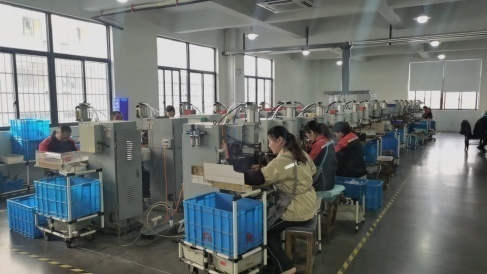
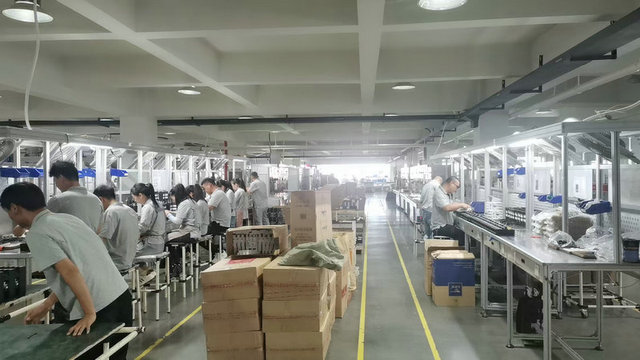
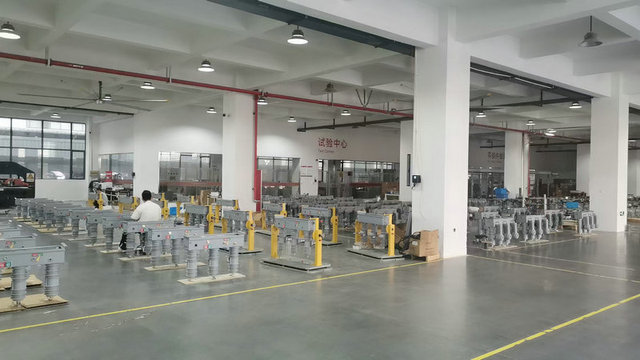
Established in 2011 and located in Dongguan, Guangdong Province, China, Zago Electric operates a modern manufacturing facility covering more than 12,000 square meters and employs over 220 skilled professionals. The company combines research and development, electrical engineering, precision manufacturing, quality assurance, and technical support to deliver reliable power distribution equipment for diverse industries.
Zago Electric offers a comprehensive portfolio of electrical products, including low-voltage switchgear, medium-voltage switchgear, power distribution panels, motor control centers, distribution boards, intelligent electrical control systems, and customized power management solutions. These products are widely used in manufacturing plants, commercial buildings, renewable energy projects, transportation infrastructure, data centers, utility networks, and industrial automation systems.
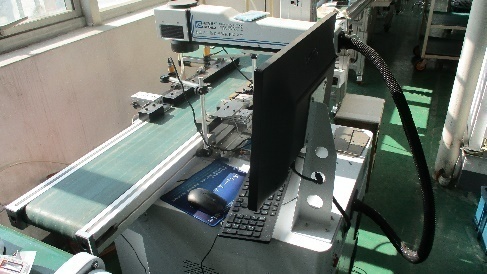
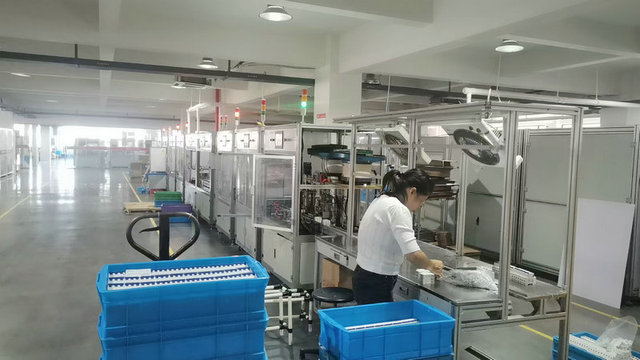
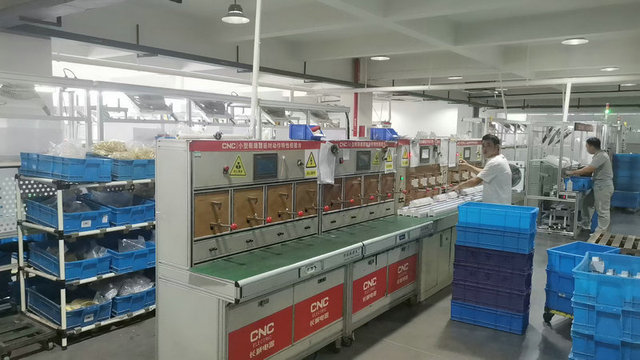
The company places strong emphasis on product safety, operational reliability, and compliance with international industry standards. Advanced sheet metal fabrication equipment, automated assembly lines, precision testing instruments, and comprehensive quality control procedures are implemented throughout the production process to ensure consistent product performance and long-term service reliability.
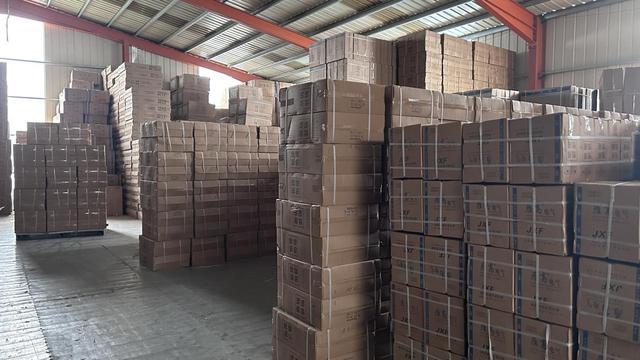
With products exported to Europe, North America, Southeast Asia, the Middle East, Africa, and Latin America, Dongguan Zago Electric Co., Ltd. has established long-term partnerships with customers seeking dependable electrical distribution solutions. Through continuous investment in technology, engineering expertise, and manufacturing capabilities, the company remains committed to providing efficient, safe, and customized switchgear systems that support modern power distribution and energy management requirements across global markets.
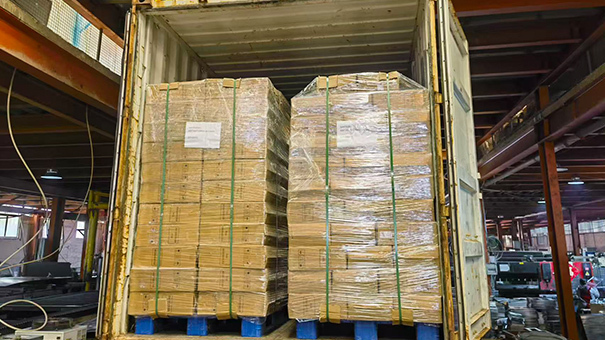
Answering the most critical engineering and supply-chain inquiries for the Equatorial Guinea region.
High-performance configurations supporting secondary distribution, heavy manufacturing, and power grid infrastructure.
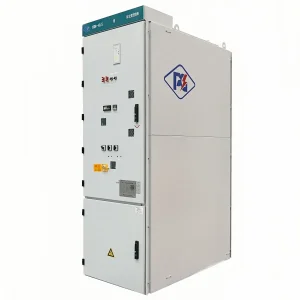
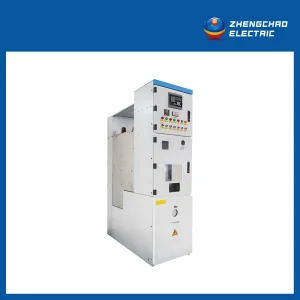
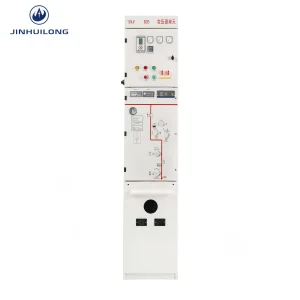
Zago Electric provides custom engineering solutions to match the exact single-line diagrams (SLD) of your Equatorial Guinea projects. Let us handle the details.
Send Inquiry Now Zago Electric