China Best Switchgear Why Is It Important in Power Systems?

Time:2026-10-16 Author:Liam
0%

In modern power networks, switchgear quietly controls the flow of electricity. At a substation, it connects circuits, isolates faults, and protects valuable equipment. When a short circuit occurs, a circuit breaker must open within milliseconds. That response can prevent damaged transformers, fires, and extended service interruptions. So, why is switchgear important in power systems? It provides controlled protection when electrical conditions become dangerous or unstable. It also supports safer maintenance by separating energized sections from working areas.

Choosing China best switchgear requires more than comparing prices or catalog photographs. Experienced engineers examine rated voltage, current capacity, breaking performance, insulation levels, and environmental resistance. They also review factory testing, installation records, and after-sales support. Reliable manufacturers should provide clear technical documents and traceable quality procedures. In practical projects, details matter. A poorly selected enclosure may overheat in a dusty plant. An unsuitable breaker may fail during a heavy fault.

The strongest equipment is not always the most expensive. It is the equipment that matches the network, site conditions, and operating plan. Standards compliance matters, but real project experience matters too. Engineers should confirm testing against recognized international requirements and verify performance with independent inspection where necessary. No selection is perfect. Specifications can miss local humidity, maintenance skills, or future load growth. That deserves reflection. A careful evaluation of China best switchgear should balance safety, reliability, lifecycle cost, and technical support. With disciplined selection, switchgear becomes more than a cabinet of components. It becomes a dependable barrier between normal operation and serious electrical failure.
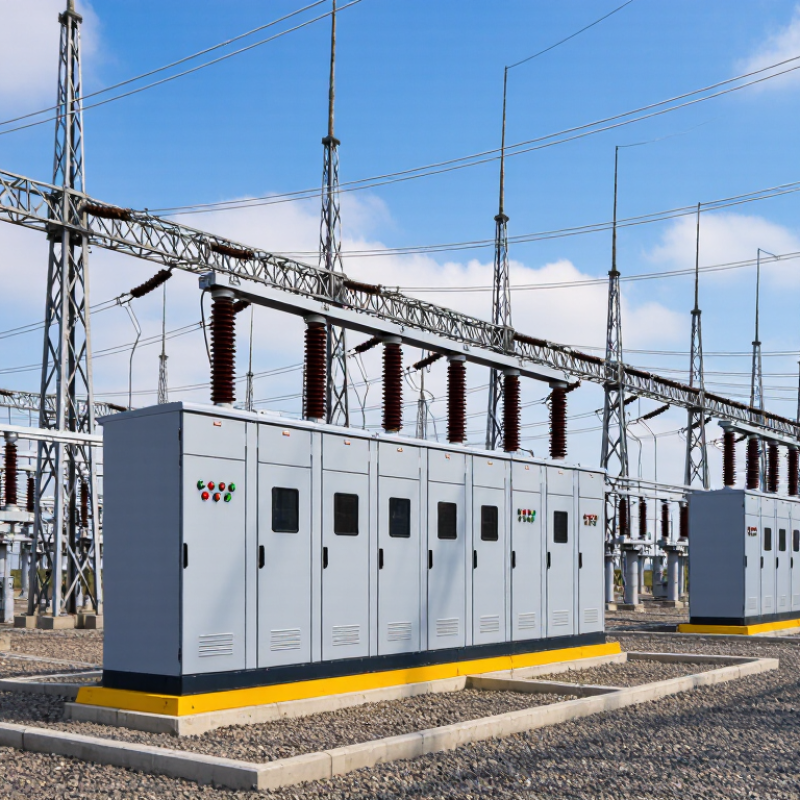
China Best Switchgear Why Is It Important in Power Systems?

What Is Switchgear and How Does It Work?

Switchgear is the control point between electrical power and safe operation. It includes circuit breakers, disconnectors, fuses, busbars, current transformers, and protective relays. These parts isolate faults, control energy flow, and protect people and equipment. IEC 62271-200 covers metal-enclosed switchgear for systems above 1 kV and up to 52 kV.

How does it work? A current transformer measures the line without carrying the full load into the relay. When the relay detects excessive current, a short circuit, or an earth fault, it sends a trip signal. The circuit breaker then separates its contacts within milliseconds. Inside the interrupter, the arc must be extinguished safely. Air, vacuum, or gas insulation supports this process, depending on the design. The visible disconnect switch may confirm isolation, but it usually does not clear fault current.

The need is growing. The International Energy Agency’s Electricity 2024 report forecasts global electricity demand growth of about 3.4% annually from 2024 to 2026. More load means more switching points and higher fault-management demands. In practice, heat, dust, humidity, and poor maintenance can reduce reliability. A rating on paper is not enough. Engineers should verify short-circuit capacity, insulation levels, protection coordination, testing records, and service access. I may be too cautious here, but many failures begin with overlooked details rather than dramatic design errors.

Why Switchgear Is Essential for Power System Safety

In power systems, switchgear controls, isolates, and protects electrical circuits. Its importance becomes clear when a feeder develops a short circuit. Protective devices detect abnormal current and open the circuit quickly. This action limits arc energy, equipment damage, and injury risks. During site inspections, technicians often check labels, interlocks, and enclosure condition. Small defects can create serious consequences.

A reliable switchgear assembly separates faulty sections from healthy equipment. That separation helps keep essential loads operating during maintenance or unexpected faults. Circuit breakers, fuses, busbars, and relays must work as one coordinated system. Poor coordination may trip too much equipment or leave a damaged feeder energized. Clearances matter. So does grounding. Engineers should verify settings through calculations, testing, and documented commissioning records. Standards and local electrical rules also guide inspection intervals and safe working procedures.

Modern units may provide remote monitoring, but digital signals need independent verification. A screen can report normal conditions while a loose connection quietly heats inside the cabinet. Thermal scans, insulation tests, and functional trip tests reveal problems that visual checks miss. No checklist is perfect. Field teams sometimes trust new equipment too quickly. That assumption deserves review, especially after transport, installation, or a protection-setting change. Safety depends on trained personnel, controlled access, and evidence that each protective function operates correctly.

How China’s Best Switchgear Supports Reliable Grid Operation

China Best Switchgear: Why Is It Important in Power Systems?

Reliable grid operation depends on equipment that interrupts faults quickly and reconnects safely. High-quality switchgear engineered in China supports this demanding work across substations, factories, and renewable energy sites. Vacuum circuit breakers can clear short-circuit currents within milliseconds. Protection relays then isolate the affected feeder before damage spreads. This coordination keeps healthy sections energized.

Built for Reliable Grid Operation

Modern switchgear combines copper busbars, sealed compartments, sensors, and digital monitoring. Operators can observe temperature, breaker position, and partial discharge warnings from a control room. In coastal areas, corrosion-resistant enclosures help protect internal conductors from salt and moisture. In dusty industrial sites, proper sealing reduces contamination risks. These details matter during long operating hours.

Standards matter too. Responsible manufacturers use documented design calculations, routine testing, and type-test evidence aligned with applicable IEC or national requirements. Field engineers should still verify installation quality, relay settings, grounding, and cable connections. A well-tested panel can perform poorly if commissioning is rushed. That mistake is more common than many reports admit.

Not perfect.

Maintenance teams may discover loose terminals, aging seals, or settings that no longer match the network. Regular thermal scans and functional tests reveal these weaknesses early. From practical operation, the strongest systems are not only advanced. They are inspected carefully, recorded honestly, and improved after every fault event.

Key Features of High-Quality Chinese Switchgear

In power projects, switchgear controls, protects, and isolates electrical circuits during normal operation and faults. High-quality Chinese switchgear starts with accurate engineering, not only a polished enclosure. Designers should match rated voltage, short-circuit capacity, insulation level, and local climate conditions. During site inspections, I look for clean busbar joints, firm cable terminals, and clear identification labels. Small details matter.

The cabinet should use corrosion-resistant steel, reliable interlocks, and suitable protection against dust and moisture. Correct IP protection helps when equipment operates in dusty workshops or humid substations. Inside, copper busbars need smooth surfaces and secure connections to reduce heating. Vacuum circuit breakers should open quickly and withstand repeated operations. Protection relays must detect overloads, short circuits, and earth faults with dependable accuracy. Independent type tests and factory acceptance tests add valuable evidence. Not paperwork alone.

Modern Chinese switchgear may also support temperature sensors, remote status signals, and event recording. These features help maintenance teams find loose connections before they become serious failures. However, digital functions should not replace physical inspections. A sensor can fail. Maintenance access, spare-part availability, and clear wiring diagrams deserve equal attention. No enclosure is perfect. A lower purchase price can hide weak testing or difficult servicing. Engineers should compare measured performance, documentation, and field support before approval. Safety margins should remain visible in every technical decision.

China Best Switchgear Why Is It Important in Power Systems? - Key Features of High-Quality Chinese Switchgear

Evaluation Dimension Representative Technical Data Why It Matters in Power Systems Relevant Standard or Verification Method
Rated Voltage Common medium-voltage configurations include 3.6 kV, 7.2 kV, 12 kV, 17.5 kV, 24 kV and 40.5 kV. The rated voltage must be equal to or higher than the system voltage to maintain insulation coordination and safe operation. IEC 62271-1 and the applicable product standard; verify against the project system voltage and insulation level.
Rated Current Typical medium-voltage feeder ratings range from 630 A to 3,150 A, depending on the design and application. Adequate current capacity limits overheating and supports continuous loading without excessive temperature rise. IEC 62271 temperature-rise tests and continuous-current verification under specified service conditions.
Short-Circuit Breaking Capacity Common medium-voltage circuit-breaker ratings include 16 kA, 20 kA, 25 kA, 31.5 kA and 40 kA for a specified duration and voltage. A sufficient interrupting rating allows the breaker to clear fault currents without catastrophic damage to the switchgear or connected equipment. IEC 62271-100 type tests and a verified short-circuit rating suitable for the calculated system fault level.
Short-Time Withstand Current Typical values are 16 kA to 40 kA for 1 s or 3 s, subject to the switchgear design. It demonstrates the busbars and conductors can withstand thermal and electromagnetic stress until the protective device clears the fault. IEC 62271 short-time withstand and peak withstand current tests.
Power-Frequency Withstand Voltage For many 12 kV-class systems, a 28 kV power-frequency withstand level is commonly specified; the exact value depends on the rated voltage and insulation design. It confirms that insulation can resist temporary overvoltage and normal power-frequency electrical stress. IEC 62271-1 dielectric tests and the equipment insulation coordination study.
Lightning Impulse Withstand For many 12 kV-class applications, 75 kV peak is a commonly used lightning impulse withstand level. It helps protect internal insulation from fast transient overvoltages caused by lightning or switching events. IEC 62271-1 impulse-voltage test requirements and site insulation coordination.
Internal Arc Classification Where specified, classifications such as IAC AFL or IAC AFLR may be used, with test durations commonly including 1 s. Internal arc protection helps reduce risks to operators by controlling hot gases, pressure and ejected particles during an internal fault. IEC 62271-200 internal arc classification; confirm the accessible sides and installation arrangement covered by the test.
Ingress Protection Common enclosed-switchgear designations include IP4X for the enclosure and higher protection levels for specific compartments when required. Appropriate protection reduces the entry of solid objects, dust and water into hazardous or sensitive compartments. IEC 60529; verify each compartment and the complete installed enclosure separately.
Mechanical Interlocking Typical functions include preventing circuit-breaker movement while closed, preventing earthing-switch operation under unsafe conditions and controlling access to live compartments. Interlocks reduce incorrect operating sequences, equipment damage and the possibility of electrical accidents during maintenance. Functional inspection, operation-sequence testing and the applicable IEC 62271 requirements.
Busbar Insulation and Compartmentalization Metal-enclosed designs commonly separate busbar, circuit-breaker, cable and low-voltage control compartments. Physical separation limits fault propagation and can improve service continuity and maintenance safety. IEC 62271-200 construction requirements and verification of partitions, shutters and cable access.
Environmental Operating Range Standard indoor equipment is commonly designed around a minimum ambient temperature of −5 °C and a maximum of +40 °C, unless a special service condition is specified. Temperature, humidity, altitude and pollution affect insulation performance, cooling and enclosure materials. IEC 62271-1 service-condition limits; apply derating or special design for higher altitude, severe humidity or outdoor exposure.
Circuit-Breaker Operating Mechanism Spring-operated mechanisms are widely used for medium-voltage vacuum circuit breakers, with local, electrical and emergency manual operation options. Reliable mechanisms provide fast fault clearing, dependable reclosing functions and safe local operation during control-power failures. IEC 62271-100 operating and mechanical endurance tests; review trip, close, anti-pumping and interlock functions.
Protection and Monitoring Typical functions include overcurrent, earth-fault, under-voltage, over-voltage, breaker-failure and event-recording functions, subject to the selected relay. Accurate protection improves selectivity, limits outage duration and provides operational information for troubleshooting. Protection coordination study, secondary-injection testing and functional verification of trip circuits and alarms.
Quality and Compliance Documentation A complete technical package should include drawings, wiring diagrams, routine-test records, rated data, installation instructions and maintenance requirements. Traceable documentation supports commissioning, acceptance testing, maintenance and future system modifications. Review routine-test reports, design verification evidence, nameplate data and conformity with the specified IEC standards.

Note: The values shown are representative industry ranges and examples for comparison. Final ratings must be selected according to the system voltage, calculated fault level, installation environment, protection study and applicable local requirements.

Where Switchgear Fits in Power Generation, Transmission, and Distribution

In modern power systems, switchgear forms the controlled boundary between energized equipment and people. At a generating station, it connects alternators to step-up transformers and outgoing lines. Circuit breakers interrupt fault currents within milliseconds. Metal-clad enclosures also reduce exposure to arc-flash hazards. During commissioning, technicians check insulation, interlocks, relay settings, and grounding. A small wiring error can delay startup or create dangerous conditions. Reliable equipment begins with accurate specifications, not attractive catalogs.

On transmission networks, switchgear manages high-voltage connections around transformers, busbars, and overhead lines. Current transformers and voltage transformers provide signals for protection relays. Disconnectors create visible isolation points during maintenance. High-voltage breakers must handle severe electrical stress repeatedly. Their performance depends on interrupting ratings, insulation coordination, mechanical endurance, and environmental conditions. Dust, moisture, altitude, and temperature can change real operating behavior.

In distribution substations, switchgear divides feeders and limits the size of an outage. Operators may isolate one damaged cable while nearby circuits continue supplying hospitals, factories, or homes. Compact panels need clear labeling and practical access for testing. I have seen designs that looked efficient but left too little working space. That weakness matters during an emergency. No installation is perfect. Protection settings must be reviewed after network changes, because yesterday’s safe coordination may not suit today’s load.

FAQS

What is switchgear?

Switchgear is an electrical control assembly. It manages, isolates, and protects circuits. Common parts include breakers, fuses, busbars, relays, and disconnectors.

How does switchgear detect an electrical fault?

A current transformer measures line current. A protective relay checks for excessive current, short circuits, or earth faults.

What happens after a fault is detected?

The relay sends a trip signal. The circuit breaker separates its contacts within milliseconds. The interrupter then extinguishes the arc safely.

Can a disconnect switch clear fault current?

Usually, no. It confirms physical isolation after the circuit is opened. The circuit breaker normally interrupts dangerous fault current.

Why is switchgear important for power system safety?

It separates damaged sections from healthy equipment. This limits arc energy, equipment damage, and injury risks. Small defects can matter.

What conditions can reduce switchgear reliability?

Heat, dust, humidity, vibration, and poor maintenance can weaken performance. A clean cabinet is not automatically a reliable cabinet.

What should engineers verify before operating switchgear?

They should check short-circuit capacity, insulation levels, protection settings, grounding, and service access. Testing records also deserve careful review.

Is remote monitoring enough for switchgear protection?

No. Digital signals need independent verification. A screen may show normal conditions while a loose connection heats inside the cabinet.

Which inspections can reveal hidden switchgear problems?

Thermal scans can reveal hot connections. Insulation tests check electrical condition. Functional trip tests confirm protective operation.

Can new switchgear be trusted without additional checks?

Not completely. Transport, installation, or setting changes may create unnoticed problems. I may be too cautious, but evidence matters.

Conclusion

Switchgear is a critical part of modern power systems because it controls, protects, and isolates electrical equipment during normal operation and fault conditions. It combines devices such as circuit breakers, disconnectors, and protective relays to manage the flow of electricity and quickly disconnect damaged sections. Understanding why is switchgear important in power systems helps explain its role in preventing equipment damage, reducing fire and electrical hazards, and supporting safer maintenance. By limiting the impact of short circuits, overloads, and other faults, switchgear improves system stability and protects both operators and infrastructure.

High-quality Chinese switchgear supports reliable grid operation through strong insulation, accurate protection, durable construction, and efficient fault-clearing performance. It can be applied across power generation, transmission, and distribution networks, helping maintain continuity from power plants to end users. Well-designed equipment also offers dependable performance in demanding environments, easier monitoring, and flexible integration with modern control systems, making it an essential foundation for safe, efficient, and resilient electrical networks.

Liam

Liam

Liam is a dedicated marketing professional with a profound expertise in the industry, where he excels at highlighting the unique advantages of our core products. With a keen understanding of market trends and consumer needs, Liam frequently updates our company’s professional blog, providing......