Top 5 Certifications Switchgear Manufacturers Must Have?

Time:2026-07-23 Author:Mason
0%

When considering the electrical industry, switchgear manufacturers play a crucial role. Their products ensure safe and reliable power distribution. But in this competitive landscape, what certifications should switchgear manufacturers have? These certifications build trust and validate product quality.

Manufacturers must focus on certifications that demonstrate their expertise. ISO standards are vital, ensuring they meet international quality benchmarks. Safety certifications like IEC and ANSI show compliance with strict safety regulations. These endorsements not only enhance credibility but also attract potential clients.

However, achieving these certifications is not always straightforward. The process can be complex and time-consuming. Some manufacturers may struggle with the technical requirements. This creates an opportunity for improvement and reflection. As the industry evolves, so must the standards and certifications that guide it. Understanding this landscape is essential for long-term success.
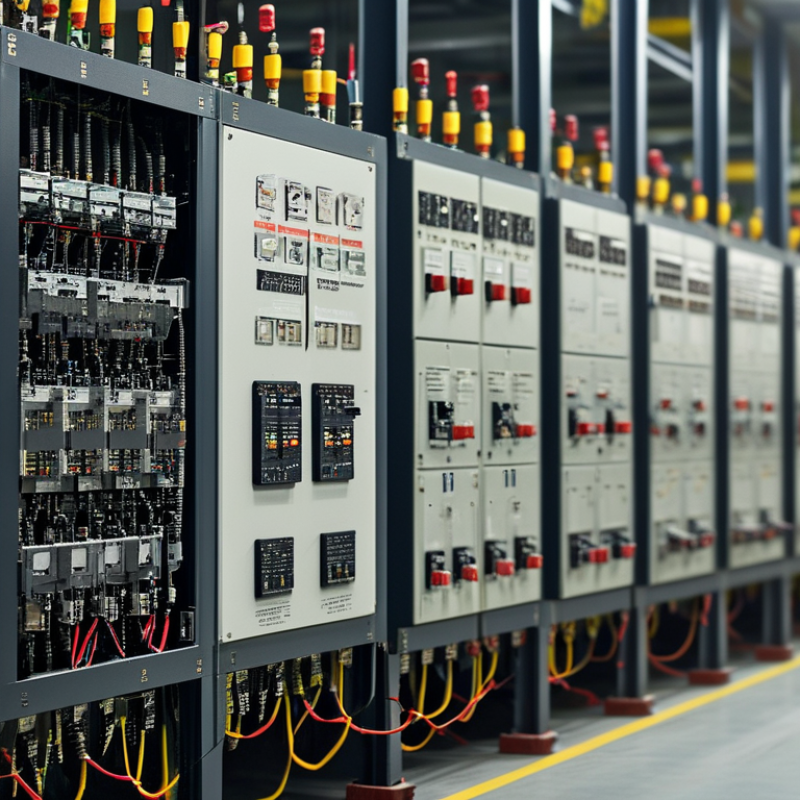
Top 5 Certifications Switchgear Manufacturers Must Have?

Essential Industry Standards for Switchgear Manufacturing Certifications

In the switchgear manufacturing industry, certifications are crucial for ensuring quality and safety. Multiple standards exist, each addressing specific aspects of manufacturing processes. For switchgear manufacturers, compliance with these standards signifies competency and reliability. One key certification is ISO 9001, which focuses on quality management systems. It helps companies enhance customer satisfaction through effective process management and consistent production quality.

Another essential certification is IEC 61439. This standard specifies requirements for low-voltage switchgear and controlgear assemblies. Adhering to IEC standards ensures that manufacturers meet international safety and performance benchmarks. Additionally, UL certification is critical in North America. This certification assures customers that products meet rigorous safety standards. However, maintaining compliance with these certifications can be challenging, especially for smaller manufacturers.

Moreover, manufacturers must also consider the environmental impact. Certifications like ISO 14001 address environmental management. They guide companies in minimizing their ecological footprint during production. Achieving these certifications often requires continuous improvement and a commitment to sustainable practices. Manufacturers must regularly review their processes to maintain compliance and improve overall performance. Achieving and retaining these certifications does not come without challenges, yet they are vital for industry credibility and customer trust.

Importance of Quality Assurance Certifications in Switchgear Production

Quality assurance certifications play a crucial role in switchgear production. These certifications help establish trust with customers. They ensure that manufacturers adhere to the highest standards of safety and performance. Achieving these certifications requires rigorous testing and documentation. It’s not just about passing a test; it demands continuous improvement in processes.

Without proper certifications, manufacturers risk compromising their products. This can lead to failures in the field, resulting in significant setbacks. Moreover, the absence of these credentials can diminish a manufacturer's reputation. In the competitive switchgear market, having recognized certifications can be the difference between success and failure.

Investing time and resources in obtaining quality assurance certifications shows commitment to excellence. However, many companies overlook the importance of ongoing compliance. It’s essential to stay informed about changes in standards. Continual education and adaptation are necessary for sustained success in the industry.

Key Environmental Compliance Certifications for Switchgear Manufacturers

Switchgear manufacturers must prioritize environmental compliance certifications. These certifications are critical for maintaining sustainability and meeting regulatory standards. A report by the International Energy Agency (IEA) highlights that companies adhering to such standards can reduce their carbon footprint by approximately 30%. This reduction not only benefits the environment but also positions companies favorably in a competitive market increasingly focused on sustainability.

One of the key certifications includes ISO 14001, which outlines criteria for an effective environmental management system. Organizations with this certification demonstrate their commitment to continuous improvement in environmental performance. Emerging data suggests that around 75% of customers prefer to engage with environmentally responsible brands. This statistic reflects the growing consumer expectation for sustainability in manufacturing practices.

Another significant certification is the RoHS directive, which restricts hazardous substances in electrical and electronic equipment. Compliance with RoHS is now a market standard. Manufacturers not only avoid hefty fines but also gain a reliable reputation among environmentally conscious stakeholders. However, challenges remain in maintaining compliance throughout the supply chain, often revealing gaps in documentation or processes that require addressing.

Top 5 Certifications for Switchgear Manufacturers

Safety Certifications Required for Reliable Switchgear Design and Installation

Switchgear safety certifications are crucial for reliability in design and installation. According to a recent industry report, nearly 30% of switchgear failures are linked to inadequate safety measures. Proper certifications can significantly reduce this risk. Regulatory bodies such as IEC provide guidelines that manufacturers must follow to ensure compliance.

One key certification is the IEC 62271, which focuses on high-voltage switchgear. This standard outlines requirements for performance, construction, and safety. Adherence to this standard indicates that the switchgear can operate safely under high demand. The UL 89 certification also evaluates the safety of low-voltage switchgear. Organizations that hold this certification demonstrate their commitment to minimizing electrical hazards.

However, many manufacturers struggle with the certification process. A reported 60% of companies encounter challenges in meeting safety standards. This can lead to delays and increased costs. It's essential for manufacturers to invest in training and resources. Doing so can enhance their ability to meet certification requirements effectively.

Global Standards and Regulations for Switchgear Certification Process

The certification process for switchgear is critical for manufacturers globally. Various standards guide this process, ensuring safety and reliability. Compliance with these standards is not optional. It shapes the product's credibility in the marketplace.

Manufacturers must be familiar with several key certifications. These include IEC standards, which define international guidelines for electrical products. Various regions also have local standards, which may differ significantly. Adapting to these can be challenging. Many manufacturers face difficulties in understanding local regulations. This can lead to confusion and potential compliance issues.

The path to certification requires expertise and commitment. Continuous education about evolving standards is crucial. Some companies might neglect this aspect. This oversight can result in costly delays and rework. Every manufacturer needs a thorough understanding of this landscape. Building a team that comprehensively grasps these nuances can mitigate risks and enhance reliability.

FAQS

: What is the importance of certifications in switchgear manufacturing?

: Certifications ensure quality and safety in manufacturing processes, indicating competency and reliability.

Which certification focuses on quality management systems?

ISO 9001 enhances customer satisfaction through effective process management and consistent production quality.

What does IEC 61439 specify?

IEC 61439 details requirements for low-voltage switchgear and controlgear assemblies to meet safety benchmarks.

Why is UL certification significant in North America?

UL certification assures customers that products meet rigorous safety standards, ensuring product reliability.

How can manufacturers minimize their environmental impact?

ISO 14001 guides companies in reducing their ecological footprint and improving environmental performance.

What does the RoHS directive address?

RoHS restricts hazardous substances in electrical equipment, helping manufacturers gain a reliable reputation.

What percentage of customers prefer engaging with environmentally responsible brands?

About 75% of customers favor businesses that demonstrate environmental responsibility and sustainability.

What is a significant challenge faced by manufacturers regarding safety certifications?

Many manufacturers struggle with meeting safety standards, leading to delays and increased costs.

How can manufacturers enhance their capabilities to meet certification requirements?

Investing in training and resources is vital for improving compliance with certification processes.

What percentage of switchgear failures are linked to inadequate safety measures?

Nearly 30% of switchgear failures relate to insufficient safety measures, making proper certifications crucial.

Conclusion

In the competitive world of switchgear manufacturing, understanding what certifications should switchgear manufacturers have is crucial for ensuring product quality and compliance with industry standards. Essential certifications encompass various industry standards that verify the reliability and performance of switchgear products. Quality assurance certifications play a pivotal role in maintaining high production standards, while environmental compliance certifications ensure that manufacturers adhere to regulations protecting our ecosystems.

Furthermore, safety certifications are vital for designing and installing switchgear that meets the highest safety requirements, safeguarding both users and the environment. By obtaining these certifications, switchgear manufacturers can not only ensure product reliability but also align with global standards and regulations that govern the certification process, reinforcing their commitment to quality and safety in the industry.

Mason

Mason

Mason is a seasoned marketing professional with a deep expertise in the company's offerings and a passion for driving brand awareness. With a strong background in digital marketing strategies, he has an innate ability to connect with diverse audiences and effectively communicate product benefits.......