What Is the Future of Electrical Switchgear Technology?

Time:2026-09-26 Author:Amelia
0%

The question “what is the future of electrical switchgear technology” reaches beyond smarter panels and faster circuit breakers. It concerns how electrical networks will remain safe, efficient, and resilient under changing demands. Industrial facilities now monitor temperature, humidity, contact wear, and partial discharge through connected sensors. A technician can review this data before opening a cabinet, reducing unnecessary inspections and unexpected outages. The shift is real. Yet digital information cannot replace sound engineering judgment or hands-on experience.

Future switchgear will likely combine intelligent monitoring, compact designs, improved arc protection, and lower-impact insulating materials. Manufacturers are developing alternatives to traditional greenhouse-gas-based insulation, while utilities are testing equipment that supports renewable generation and battery storage. Modular systems may also simplify upgrades in crowded substations. However, every improvement introduces practical questions. Can older infrastructure communicate with new platforms? Will smaller operators afford advanced cybersecurity and maintenance training? These concerns deserve honest attention, not promotional promises.

Reliable progress should follow recognized safety practices, verified testing, and clear maintenance procedures. Engineers must evaluate short-circuit performance, thermal limits, environmental conditions, and human access before selecting equipment. Standards from organizations such as IEC can guide design, but local conditions still matter. A coastal substation faces salt corrosion, while a factory may face dust, vibration, and frequent switching. The future will not be defined by automation alone. It will depend on balanced decisions, transparent data, skilled professionals, and equipment that performs safely when conditions become difficult. Some predictions will be wrong. That is worth remembering.
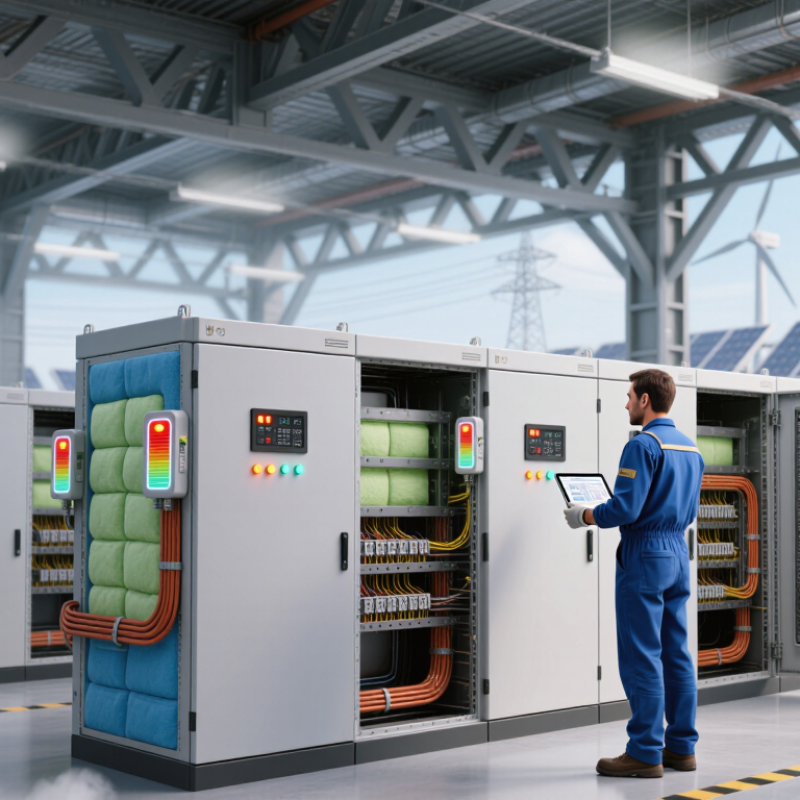
What Is the Future of Electrical Switchgear Technology?

Definition and Role of Electrical Switchgear Technology

Electrical switchgear is the coordinated equipment that switches, protects, and isolates electrical circuits. It includes circuit breakers, disconnectors, protective relays, and control devices. In a substation, these components direct power through busbars and interrupt current when a fault occurs. Often unnoticed.

Its role is practical: limit damage, protect workers, and help keep healthy parts of a network operating. A relay detects abnormal current; a breaker then opens the circuit, often within fractions of a second. Switchgear also allows crews to isolate equipment for inspection. That definition sounds tidy. Real systems are not always so tidy: settings, maintenance, and operating conditions affect how well protection works.

The need for dependable switching is growing as grids accommodate more electricity demand and renewable generation. The International Energy Agency’s Electricity 2024 report projects average global electricity-demand growth of 3.4% annually from 2024 to 2026. Its 2023 report, Electricity Grids and Secure Energy Transitions, says annual grid investment must rise from about USD 300 billion to more than USD 600 billion by 2030. Those figures concern grids broadly, not switchgear alone, but they show the scale of infrastructure pressure. Digital monitoring can help operators spot heat or wear before equipment fails. Still, data cannot replace sound protection design or careful maintenance. Not glamorous, but essential.

What Is the Future of Electrical Switchgear Technology?

Switchgear controls, protects, and isolates electrical circuits. This illustrative waveform shows one cycle of a 230 V RMS, 50 Hz AC supply—the kind of power system switchgear is designed to manage.

Looking ahead: Digital monitoring, connected sensors, and condition-based maintenance can help operators detect faults earlier and manage electrical assets more effectively. The chart shows an idealized supply waveform, not a forecast or a measurement from a specific installation.

Key Components and Current Operating Principles

What Is the Future of Electrical Switchgear Technology?
Key Components and Current Operating Principles

Electrical switchgear controls, protects, and isolates circuits in power systems. Inside a typical assembly, busbars carry current between connected circuits. Circuit breakers interrupt current during faults, while isolators provide a visible separation for maintenance. Current and voltage transformers feed measurements to protective relays. Each component has a specific role. Together, they help prevent equipment damage and reduce risks to workers.

During normal operation, current flows through the busbars and closed breaker contacts. If a relay detects an abnormal condition, such as excessive current, it sends a trip signal to the breaker. The breaker’s contacts separate, and an arc-control system extinguishes the resulting electrical arc. The exact method depends on the switchgear design and voltage level. Interlocks can prevent unsafe switching sequences, but they still need correct setup and regular checks.

Newer systems may add sensors that track temperature, partial discharge, or operating cycles. These readings can help maintenance teams spot changes before a failure occurs. Useful, but not magic. Sensors can drift, and poor data interpretation can create false confidence. A warm connection, for example, may indicate a loose joint, but inspection is needed to confirm the cause. Sound operating practice still depends on trained staff, tested protection settings, and clear isolation procedures.

Digitalization, Automation, and Smart Grid Integration

Digitalization is turning switchgear from a collection of breakers into a live view of grid conditions. Sensors can track temperature, current, and operating cycles, helping crews spot overheating connections before a fault interrupts service. Shorter inspections may follow. But a connected panel is not automatically a smarter one; poor-quality data can create more alarms, not better decisions.

The scale of the grid challenge makes this shift practical, not cosmetic. The International Energy Agency’s 2023 report, Electricity Grids and Secure Energy Transitions, found more than 3,000 gigawatts of renewable projects waiting in connection queues worldwide. It also said annual grid investment needs to rise from about $330 billion to over $600 billion by 2030. Automated switchgear can support faster fault isolation and more flexible power flows, but it cannot replace needed cables, substations, or skilled operators.

Smart-grid integration will depend on equipment sharing reliable, usable data with control systems. A feeder can then respond to changing solar output or reroute power after a local fault. Cybersecurity and interoperability matter just as much as faster switching. There is a catch: adding sensors and software brings maintenance work of its own. Operators need clear alarm thresholds, tested backup procedures, and training that reflects real switching conditions. The technology still needs careful human judgment.

What Is the Future of Electrical Switchgear Technology? — Digitalization, Automation, and Smart Grid Integration

Technology Area Current Capability Likely Direction Useful Data or Indicators Key Implementation Considerations
Digital monitoring Sensors and digital instruments can provide operating measurements such as current, voltage, temperature, and breaker status. More equipment data is expected to be collected and made available for monitoring, analysis, and operational decision-making. Load, temperature, switching state, alarms, and event records. Sensor accuracy, data quality, communications availability, and integration with existing control systems.
Condition-based maintenance Maintenance teams can use inspection findings, operating records, and selected condition measurements to assess equipment health. Analytics may help identify developing issues and support maintenance planning based on asset condition rather than fixed intervals alone. Operating history, fault events, inspection results, and applicable condition-monitoring measurements. Models require reliable data and expert review; predictions should support, not replace, established safety and maintenance procedures.
Automation and remote operation Control systems can operate breakers and coordinate switching sequences, subject to protection logic and operating procedures. Greater coordination between substations and control centers can support faster response to changing network conditions. Breaker position, protection signals, command status, interlock status, and sequence-of-events records. Fail-safe design, clear operating authority, tested interlocks, and procedures for loss of communications.
Interoperable communications Substation devices can exchange monitoring and control information using standardized communication approaches, including IEC 61850. Broader interoperability may make it easier to integrate equipment from different suppliers and connect protection, control, and monitoring functions. Communication status, time synchronization, message performance, and device configuration records. System engineering, consistent configuration, network testing, and lifecycle support for digital devices.
Cybersecurity Connected switchgear systems rely on secure network design, access controls, and managed device configurations. As connectivity increases, cybersecurity is likely to become a more integral part of equipment design, operation, and maintenance. Access logs, configuration changes, security events, patch status, and network availability. Apply defense-in-depth, limit unnecessary access, manage updates carefully, and maintain incident-response procedures.
Smart grid and distributed energy integration Switchgear provides switching, isolation, and protection functions in networks that may include renewable generation, storage, and other distributed resources. More flexible monitoring and control can help operators manage variable power flows and changing network conditions. Power flow, voltage, frequency, equipment status, and protection events. Protection coordination and equipment ratings must reflect the network design and operating conditions.
Lower-impact insulation and interruption technologies Switchgear designs use different insulation and arc-interruption approaches; selection depends on voltage level, application, and applicable standards. Interest is growing in alternatives to high-global-warming-potential insulating gases, alongside continued development of other insulation technologies. Insulation medium, leakage or condition records where applicable, equipment ratings, and service requirements. Evaluate safety, environmental impact, performance, maintenance needs, and applicable regulations for the specific installation.
Modular and lifecycle-focused design Switchgear assemblies are selected and configured to meet site-specific electrical, operational, and space requirements. Designs may increasingly emphasize easier upgrades, maintainability, digital readiness, and lifecycle planning. Equipment age, maintenance history, spare-parts availability, upgrade requirements, and outage plans. Consider compatibility with existing installations, maintainability, worker safety, and total lifecycle requirements.

Note: Capabilities and adoption vary by voltage level, application, local regulations, and project requirements. Technology choices should be validated through engineering studies and applicable standards.

Sustainability, Safety, and New Insulation Technologies

The future of electrical switchgear will depend on how well equipment balances lower environmental impact with dependable protection. Some designs are reducing reliance on insulating gases with high global-warming potential. Alternatives include cleaner gas mixtures, air insulation, and solid materials, but each performs differently under heat, humidity, and electrical stress. Lower emissions alone do not prove a better lifecycle outcome. Manufacturing, service needs, and end-of-life handling also matter. Modular components can make repairs easier and reduce waste, provided replacement parts remain available.

Safety improvements are becoming more precise. Vacuum interrupters can stop current without using gas for arc interruption, while carefully designed enclosures help contain arc-related hazards. Sensors can track temperature, humidity, and signs of partial discharge, giving maintenance teams earlier warning of developing faults. Useful, but not infallible. Readings need skilled interpretation and regular checks. New solid insulation may reduce leak risks, yet resin and other materials can age under heat or moisture, and recycling can be difficult. A practical design should make inspection and repair straightforward, not just look advanced on paper. In real installations, operating conditions can be messier than test settings. That deserves more attention.

Future Trends and Challenges in Switchgear Development

Electrical switchgear is becoming more connected, compact, and responsive. The clearest shift is from scheduled inspection toward condition-based maintenance. Temperature sensors can spot a warming cable joint before discoloration appears. Breaker operation data may also reveal slower mechanisms or rising contact wear. Useful signals, but not magic. Sensor drift and poor installation can create misleading alerts, so technicians still need field checks and clear maintenance records.

Renewable generation and battery systems add new demands. Power flows can change quickly, while older switchgear may not communicate easily with modern control systems. Retrofitting a digital relay into a crowded cabinet can involve wiring changes, downtime, and careful testing. Compatibility is often less tidy than a project plan suggests. Not everywhere. Equipment design is also shifting toward lower-impact insulating gases and improved arc-fault protection. Each option must be assessed for safety, performance, serviceability, and environmental impact under actual operating conditions. Cybersecurity adds another challenge: connected equipment needs controlled access, secure updates, and staff who understand the risks. These measures take time and money, especially at smaller facilities. Teams may also discover that data is plentiful but difficult to interpret. Good engineering still depends on people asking whether an alarm reflects a real fault.

FAQS

How can sensors improve switchgear maintenance?

Sensors track temperature, current, and operating cycles. A warm connection may warn crews before service is interrupted.

Does connected switchgear automatically improve decisions?

No. Poor-quality data can trigger extra alarms instead of useful action. People still need to judge which readings matter.

Can automation solve grid connection delays?

Automation can isolate faults and redirect power. It cannot replace cables, substations, or skilled operators.

Why do smart grids need reliable data sharing?

Control systems can respond to changing solar output or reroute power after a local fault. Equipment must communicate clearly.

What new maintenance work can sensors create?

Sensors and software need checks, clear alarm thresholds, and tested backup procedures. Training must reflect real switching conditions.

What are the trade-offs of lower-impact insulation?

Air, cleaner gas mixtures, and solid materials each respond differently to heat, humidity, and electrical stress. Lower emissions alone do not prove a better lifecycle.

How can switchgear designs improve safety?

Vacuum interrupters stop current without gas for arc interruption. Enclosures can help contain arc hazards, but sensor readings still need skilled interpretation.

Are solid insulation materials easy to recycle?

Not always. Resin can age under heat or moisture, and recycling may be difficult. Easy inspection and repair deserve more attention.

Conclusion

Electrical switchgear technology is essential to the safe and reliable control of electrical power. It brings together devices that connect, disconnect, protect, and isolate circuits, helping prevent equipment damage and maintain continuity when faults occur. Its core components, such as circuit breakers, switches, protective relays, and control systems, work by detecting abnormal conditions and interrupting current when needed. As power networks evolve, these established operating principles are being enhanced with sensors, data analysis, and automated controls.

The future of electrical switchgear technology will be shaped by digitalization, smart-grid integration, and growing expectations for safety and sustainability. Connected equipment can support remote monitoring, faster fault detection, and more informed maintenance, while new insulation approaches may reduce environmental impact and improve operational safety. However, developers must also address cybersecurity, system compatibility, reliability, and the cost of upgrading existing infrastructure. Continued progress will depend on balancing advanced functionality with dependable performance throughout the equipment’s service life.

Amelia

Amelia

Amelia is a seasoned marketing professional with a wealth of expertise in our company’s core offerings. With an unwavering passion for driving growth and innovation, she plays a pivotal role in shaping our marketing strategies and enhancing brand visibility. A key aspect of her responsibilities......