Understanding what factors affect switchgear performance is crucial for global buyers. According to industry expert Dr. Emily Carter, "Switchgear performance relies on both design and environmental conditions." Her insight emphasizes the complexity of switchgear performance.
Various elements play a role in the effectiveness of switchgear. These include quality of materials, design parameters, and installation practices. Additionally, environmental factors such as temperature and humidity can influence performance. Each of these factors must be considered carefully. Buyers often overlook details that can lead to failures in switchgear operations.
Investing in high-quality switchgear is essential. However, not all buyers are aware of the critical factors affecting their performance. This knowledge gap can cause significant issues in the long run. By understanding what factors affect switchgear performance, buyers can make more informed decisions, ensuring reliability in their electrical systems.
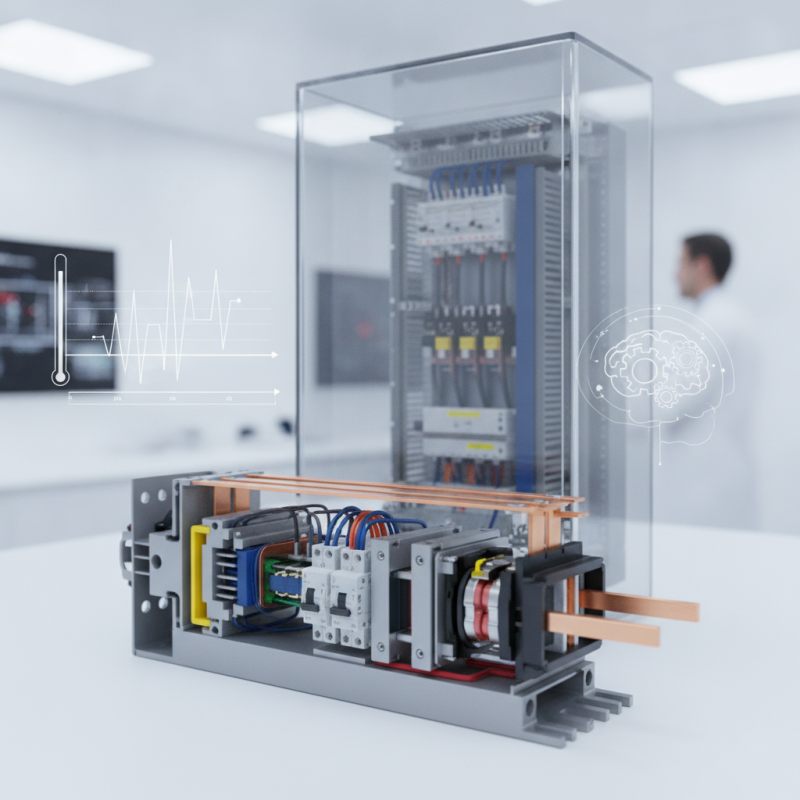
Factors Impacting Switchgear Efficiency and Reliability in Different Markets
Switchgear plays a critical role in electrical systems, and its performance varies across global markets. Efficiency and reliability hinge on several factors, including local regulations, environmental conditions, and technology standards. For instance, the International Electrotechnical Commission (IEC) has set guidelines that influence switchgear design and manufacturing. Compliance with these standards is essential for effective operation, particularly in regions with stringent safety regulations.
Environmental factors cannot be overlooked. Humidity, temperature, and altitude significantly affect switchgear reliability. Reports indicate that outdoor installations in tropical climates may encounter corrosion risks, which can lead to failures. This is a concern for buyers in such regions, where local manufacturers often adapt materials to mitigate issues. In contrast, buyers in temperate areas might focus more on insulation performance and energy efficiency.
Market dynamics also influence switchgear choices. Emerging markets often seek cost-effective solutions but may compromise on technology. A study by Grand View Research highlights that the demand for smart switchgear is on the rise globally. However, regions still reliant on traditional solutions may face challenges with efficiency. The gap between advanced technology adoption and traditional practices reflects varying market maturity levels. Addressing these disparities is vital for global buyers aiming to enhance their switchgear performance.
Role of Environmental Conditions on Switchgear Performance Ratings
Environmental conditions significantly impact switchgear performance ratings. These conditions include temperature, humidity, and pollution levels. High temperatures can lead to overheating and reduced efficiency. Similarly, high humidity can cause moisture ingress, resulting in insulation failure. Particulates in the air can also settle on equipment surfaces, affecting operational reliability.
Switchgear is designed for specific environments. Manufacturers provide performance ratings based on standard conditions. However, real-world environments often differ. Buyers must consider their local climate. For example, tropical regions may face unique challenges like frequent storms. In contrast, arid areas can experience dust-related issues. Each scenario requires tailored solutions.
It’s crucial for buyers to assess their needs fully. Environmental assessments can reveal potential risks. Choosing the right switchgear includes understanding these factors. Sometimes, less obvious aspects may escape initial consideration. Installing additional protective measures may be necessary. Continuous monitoring and maintenance are vital for longevity. Even minor oversights can lead to significant issues later. Awareness and adaptability are key to navigating these challenges.
Importance of Material Quality in Switchgear Durability and Lifespan
Material quality significantly impacts switchgear durability and lifespan. High-quality materials help resist environmental factors, reducing wear and tear. For instance, copper and aluminum are commonly used due to their excellent conductivity. According to a report by the International Electrotechnical Commission (IEC), using top-grade metal can enhance performance by up to 30%.
Switchgear failures often stem from inferior materials. A study by the American National Standards Institute (ANSI) highlights that over 50% of electrical failures are related to material quality. This underlines the crucial role of selecting superior components for longevity. Manufacturing processes must also be scrutinized. Even slight variations can lead to significant performance issues.
Tips: Always request certifications for the materials used. Verify the track record of suppliers. Regular inspections can identify potential weaknesses early. Quality assurance processes should not be overlooked. Investing in high-quality switchgear is critical for long-term reliability.
Technological Advancements Driving Switchgear Performance Improvements
Recent technological advancements have significantly impacted switchgear performance. Innovations in materials and design have enhanced durability and efficiency. For instance, recent reports from the International Energy Agency indicate that advanced switchgear can improve energy efficiency by up to 20%. This is a crucial aspect for global buyers aiming for cost-effective operations.
The integration of smart technologies is transforming how switchgear functions. Real-time monitoring and automated controls allow for quicker responses to faults. A report from the Electric Power Research Institute noted that systems adopting these technologies could reduce maintenance costs by close to 30%. However, standardization remains a challenge, creating inconsistencies in international markets.
Moreover, sustainability is becoming a core focus. New eco-friendly materials can significantly decrease environmental impact. Yet, the transition can be slow, requiring extensive research and development investment. Some buyers might find it difficult to keep up with rapid changes. Understanding these dynamics is essential for anyone looking to make informed procurement decisions in the switchgear market.
What Factors Influence Switchgear Performance for Global Buyers? - Technological Advancements Driving Switchgear Performance Improvements
| Factor |
Description |
Impact on Performance |
Recent Advances |
| Material Quality |
Use of high-grade materials to enhance durability |
Increases lifespan and reliability |
Innovations in composite materials |
| Manufacturing Processes |
Advanced manufacturing techniques to ensure precision |
Improves consistency and reduces defects |
Adoption of automation and robotics |
| Smart Technology |
Integration of IoT and monitoring systems |
Enhances operational efficiency |
Development of predictive maintenance tools |
| Environmental Considerations |
Compliance with global environmental regulations |
Reduces ecological impact and improves sustainability |
Focus on eco-friendly materials |
| Customization Options |
Tailored switchgear solutions for specific needs |
Increases adaptability and performance |
Use of modular designs for flexibility |
Regulatory Standards and Their Effect on Global Switchgear Purchasing Decisions
Regulatory standards significantly affect global switchgear purchasing decisions. Buyers often seek products that comply with local and international regulations. This compliance not only ensures safety but also enhances reliability in electrical systems.
Different countries have varying standards, adding complexity for global buyers. Identifying the appropriate standards can be challenging yet crucial for successful procurement.
Moreover, the impact of regulations extends beyond compliance. Buyers might prioritize manufacturers who demonstrate a commitment to upholding these standards. This means reliability is often tied to a company’s track record with regulations.
Variations in local law can create confusion, urging buyers to conduct thorough research. A misalignment with regulations could lead to project delays and safety issues.
Navigating this regulatory landscape requires expertise. Buyers need to stay informed about updates and changes in standards. Engaging with industry experts can provide valuable insights.
However, even seasoned professionals may find it difficult to keep pace with the evolving regulations. The complexities present a constant challenge. Ultimately, a well-informed purchasing decision can lead to enhanced performance and safety in switchgear applications.
Conclusion
The performance of switchgear is influenced by various critical factors, which global buyers must consider to ensure efficiency and reliability. Key elements include environmental conditions that can significantly impact performance ratings, as varying climates and operational settings may affect switchgear functionality. Additionally, the quality of materials used plays a crucial role in determining durability and lifespan, ensuring longevity and reduced maintenance costs.
Technological advancements are also driving improvements in switchgear performance, enabling more efficient operations and better integration with modern energy systems. Furthermore, regulatory standards across different markets shape purchasing decisions, as compliance affects the selection of switchgear. Understanding what factors affect switchgear performance is essential for buyers aiming to optimize their investments and ensuring operational excellence in diverse environments.

 Zago Electric