In today's industrial landscape, understanding how to extend switchgear service life is crucial. Experts emphasize the importance of maintenance and monitoring. According to John Smith, a renowned electrical engineer at Power Solutions Inc., "Regular checks and proper care can significantly prolong the life of switchgear."
Switchgear is vital for operational safety and efficiency. A failure in this equipment can lead to costly downtimes. Many rely heavily on it without recognizing the preventive measures necessary for longevity. The truth is, switchgear can deteriorate due to various factors. Environmental conditions, dust, and moisture can all contribute to wear.
Addressing these challenges requires a commitment to regular maintenance practices. It is not enough to assume everything functions well. Keeping a keen eye on the components and scheduling inspections improves reliability. Investing time in these efforts can lead to fewer surprises and ensure seamless operation.
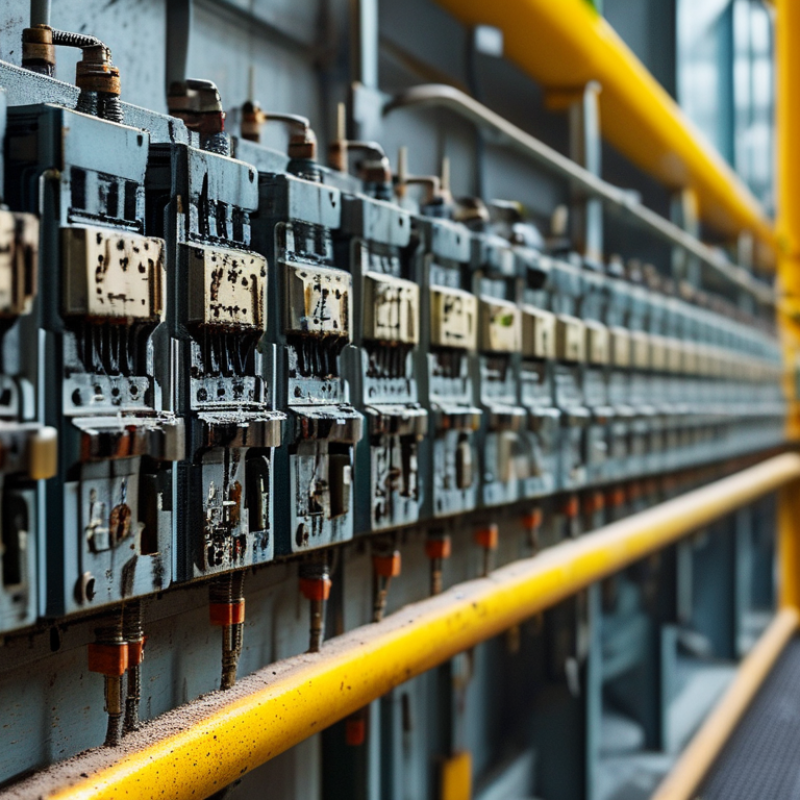
Switchgear maintenance is crucial for ensuring longevity and optimal performance. Regular upkeep can significantly extend the service life of switchgear units. According to a report by the Electric Power Research Institute (EPRI), inadequate maintenance can reduce equipment lifespan by up to 25%. This statistic highlights the importance of a structured maintenance program.
Proper maintenance helps identify wear-and-tear issues early. For instance, infrared thermography can detect hot spots, which often signal electrical issues. Regular inspections can prevent failures that lead to costly downtime. Data from the National Electric Manufacturers Association (NEMA) indicates that 70% of switchgear failures stem from poor maintenance practices. Addressing these shortcomings leads to not only increased reliability but also improved safety in electrical systems.
Environment factors also play a role. High humidity and dirt accumulation can accelerate degradation. A study revealed that environments with high dust levels could cut switchgear life expectancy by 15%. Operators often underestimate these effects. To mitigate risks, a scheduled maintenance plan is integral. Regularly reviewing and adjusting maintenance strategies can enhance performance while addressing potential faults.
Regular inspections and testing are crucial for the longevity of switchgear. Detecting issues early can prevent costly failures. It's essential to create a routine. Schedule inspections at regular intervals based on usage and environmental factors. This consistency helps maintain operational reliability.
Consider implementing thermal imaging during your inspections. It can identify hot spots before they lead to failures. Also, vibration analysis is beneficial. It detects unusual patterns indicating impending malfunctions. Both methods provide concrete data and a clearer picture of your switchgear's health.
Document your findings thoroughly. This builds a reliable history of equipment performance. Over time, you may notice patterns that can inform future maintenance. Remember, not every inspection will reveal issues, but each contributes to a more resilient operation. Engage with trained professionals for testing. Their expertise ensures accurate results. Remember, a proactive approach can significantly enhance the lifespan of your switchgear.
In switchgear rooms, dust management is crucial. A report from the International Electrotechnical Commission highlights that dust accumulation can reduce equipment lifespan by up to 30%. Regular cleaning routines can mitigate this risk. Use vacuum cleaners designed for electrical environments. Damp cloths help in capturing dust without generating static electricity. Clean surfaces regularly to prevent dust from settling.
Humidity control is also vital. The National Fire Protection Association states that high humidity can lead to corrosion. Ensure the switchgear room is well-ventilated. Dehumidifiers may be necessary, especially in humid climates. The ideal humidity level should be between 45% and 55%. Regular monitoring helps maintain optimal conditions.
Implementing a cleaning schedule can foster accountability among staff. Conduct training sessions to raise awareness about dust management. Even small oversights, like not cleaning equipment regularly, can add up. Consider including audits in your maintenance plans. Regular evaluations keep everyone vigilant and proactive in ensuring switchgear longevity.
| Tip Number | Tips | Description | Frequency |
|---|---|---|---|
| 1 | Regular Cleaning | Clean switchgear components to prevent dust accumulation. | Monthly |
| 2 | Environmental Control | Maintain proper humidity and temperature in switchgear rooms. | Continuous |
| 3 | Routine Inspections | Conduct periodic inspections to identify potential issues early. | Quarterly |
| 4 | Dust Management Systems | Implement dust extraction systems to minimize airborne particles. | As needed |
| 5 | Use of Protective Gear | Equip staff with dust masks and gloves when cleaning. | Every cleaning session |
| 6 | Training for Personnel | Train staff on best practices for switchgear maintenance. | Annually |
| 7 | Monitoring Equipment Performance | Utilize monitoring tools to check operational health of switchgear. | Continuous |
| 8 | Proper Labeling | Label all components clearly to avoid errors during inspections. | As needed |
| 9 | Documentation of Maintenance Activities | Keep records of all maintenance performed for accountability. | Every maintenance session |
| 10 | Hire Qualified Professionals | Ensure maintenance work is performed by certified technicians. | As needed |
Thermal imaging is a powerful tool in condition monitoring. By detecting heat patterns, it reveals potential faults in switchgear before they escalate. This proactive approach can save time and resources. Different temperatures can indicate loose connections or insulation issues. Regular thermal scans help identify these anomalies early.
Condition monitoring complements thermal imaging. It involves continuously assessing equipment performance. Vibration analysis and electrical testing are key components. These methods provide insights into the overall health of switchgear. The combination of both techniques allows for more thorough assessments. It creates a robust system for early fault detection.
Implementing thermal imaging and condition monitoring doesn't come without challenges. Technicians need proper training to interpret results accurately. Misinterpretation can lead to overlooked issues. Regular assessments can also be resource-intensive. Balancing quality and frequency of monitoring is essential. Every facility must find its own optimal level.
A structured replacement and upgrade plan is crucial for extending the service life of switchgear. Aging equipment can lead to significant operational risks. According to the IEEE, poorly maintained switchgear can increase the likelihood of failure by over 40%. A proactive approach helps mitigate interruptions and protects investments.
Routine inspections are vital. Regular maintenance tasks can uncover emerging issues before they escalate. The results of a 2022 survey by the National Electrical Manufacturers Association show that organizations with a clear upgrade timeline saw a 25% increase in equipment reliability. Avoiding unplanned downtime saves on costs and improves safety.
Additionally, adopting newer technologies can be beneficial. Many facilities report that transition to digital monitoring systems enhances real-time data analysis. This capability leads to informed decision-making on when to replace older equipment. Regular reviews of performance metrics offer insights for setting replacement priorities. Remember, the aim is not just to extend life but to ensure operational excellence.
: Regular inspections help detect issues early, preventing costly failures and extending equipment longevity.
Inspections should be scheduled regularly based on usage and environmental conditions to ensure reliability.
Thermal imaging can identify hot spots. Vibration analysis detects unusual patterns indicating potential malfunctions.
Thorough documentation builds a reliable equipment performance history, helping inform future maintenance decisions.
Dust can reduce equipment lifespan by up to 30%, making effective dust management crucial.
Use vacuum cleaners designed for electrical settings and damp cloths for dust removal without static.
High humidity can cause corrosion; maintaining humidity levels between 45% and 55% is essential for protection.
Training raises awareness about dust management, helping to prevent small oversights that can lead to bigger problems.
Technicians need proper training to avoid misinterpretation, which can lead to overlooked issues during assessments.
Facilities must assess their unique situation to determine the optimal quality and frequency of monitoring practices.
To effectively understand how to extend switchgear service life, it is crucial to prioritize maintenance and regular inspection practices to enhance reliability. Consistent checks and testing protocols help identify potential issues before they lead to significant failures, ensuring safe operation. Moreover, implementing best practices for cleaning and managing dust in switchgear rooms plays a vital role in preventing contaminants that could affect performance.
In addition, utilizing advanced techniques like thermal imaging and condition monitoring allows for early fault detection, addressing problems proactively. It is also essential to establish a structured replacement and upgrade plan, particularly for aging equipment, to maintain optimal operational efficiency. By adopting these strategies, organizations can significantly prolong the service life of their switchgear, ensuring continued safety and functionality within their electrical systems.
Zago Electric