Choosing the right switchgear is crucial for effective electrical management. According to the Global Switchgear Market report, the industry is projected to grow significantly, reaching over $100 billion by 2025. This highlights the importance of making informed choices.
Renowned expert Dr. Emily Johnson states, "Selecting the right switchgear can enhance both safety and efficiency." Her insights resonate deeply with industry professionals. Numerous projects fail due to improper switchgear selection, leading to inefficient power distribution and excess costs.
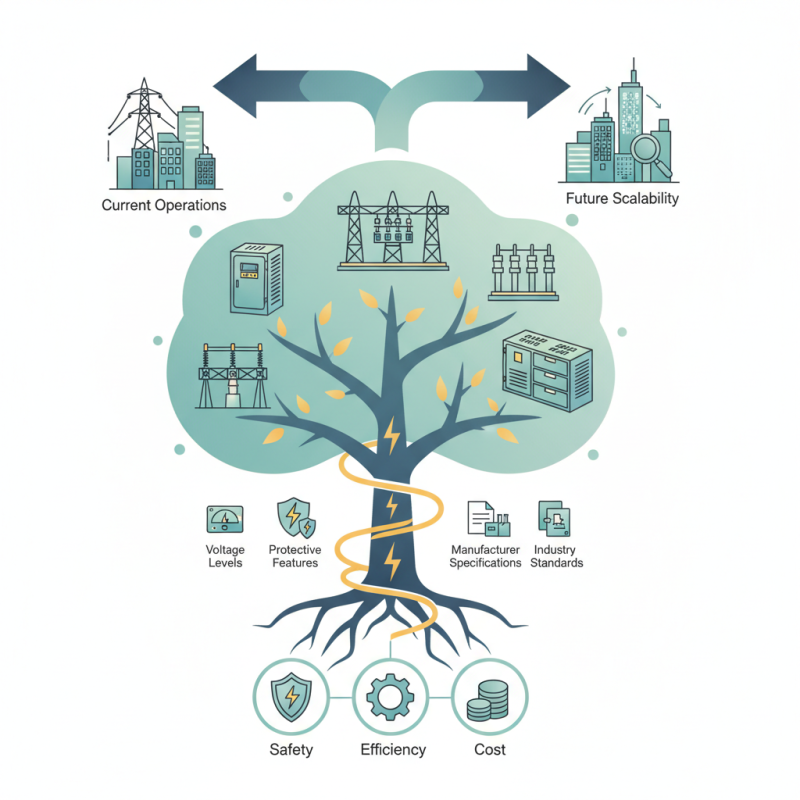
Understanding your specific needs is vital. Are you prioritizing safety, efficiency, or cost? Evaluating voltage levels, protective features, and operational demands will guide you. Review manufacturer specifications and consult industry standards to ensure reliability. This choice impacts not just current operations but future scalability as well.
Switchgear is essential for managing electrical power distribution. Understanding its basics can help you make informed choices. At its core, switchgear controls and protects electrical equipment. It includes circuit breakers, switches, and disconnectors, all crucial for ensuring safety and reliability.
When considering your options, think about the voltage levels your systems operate on. Low, medium, and high-voltage requirements differ significantly. Each type of switchgear serves a specific function, with varying designs and complexities. Many users overlook maintenance requirements. Regular checks are vital for extended lifespan and performance. Ignoring this can lead to costly failures.
Compatibility with existing systems matters too. Assess your current setup before making decisions. This step is often rushed. Another critical aspect is the environmental conditions where switchgear will be installed. Factors like temperature and exposure to moisture can impact durability. Make sure to consider these specifics. Doing so ensures that your switchgear will perform effectively in real-world conditions.
When choosing switchgear, understanding your specific power needs is crucial. Different applications require varying levels of power distribution, protection, and control. According to a 2022 industry report by the Electric Power Research Institute, nearly 40% of electrical failures in commercial settings stem from inadequate equipment ratings. This underlines the importance of properly assessing your requirements.
Start by evaluating your load demands. Consider both peak and continuous load metrics. For instance, a manufacturing facility may need robust switchgear to handle heavy machinery. On the other hand, a small office might require minimal capacity. Data shows that a mismatch can lead to inefficiencies. The National Electrical Manufacturers Association states that proper sizing can improve energy efficiency by up to 30%.
Furthermore, factor in environmental conditions. Dust, moisture, and temperature variations can significantly impact switchgear performance. An inappropriate choice may result in premature failures. Research also suggests that over 25% of switchgear replacements occur due to environmental stressors. Balancing these elements requires expertise and precise analysis. A thorough understanding of your needs will lead to a more reliable and effective switchgear solution.
| Parameter | Description | Recommended Value |
|---|---|---|
| Voltage Rating | The maximum voltage the switchgear can handle. | Up to 36kV |
| Current Rating | The maximum load current the switchgear can support. | Up to 4000A |
| Installation Type | Type of installation, either indoor or outdoor. | Indoor/Outdoor |
| Protection Class | The level of protection against environmental effects. | IP54 or IP65 |
| Standards Compliance | Compliance with international standards and regulations. | IEC 62271 |
| Maintenance Requirements | Frequency and type of maintenance needed. | Annual inspection recommended |
When selecting switchgear, it is vital to evaluate different types based on their benefits and drawbacks. Circuit breakers are common. They provide safety and reliability. However, they can be costly and require regular maintenance. The mechanical parts may wear out over time. Understanding these trade-offs can help you make informed decisions.
Another option is fuse gear, known for its simplicity and low cost. Fuses offer quick protection against overload. But they must be replaced frequently, which can lead to downtime. Assessing your operational needs is key. If reliability is paramount, this could be a flaw.
Hybrid switchgear combines features from both types. It is compact and efficient, saving space and costs in the long run. Nonetheless, these systems can be complex. They require skilled personnel for installation and maintenance. Analyzing your workforce's capabilities becomes crucial. Each type has merits and limitations. Knowing these will guide you toward the best choice for your requirements.
When selecting switchgear, environmental and safety standards play a crucial role. Compliance with these standards ensures that electrical systems operate safely and efficiently. For instance, materials used must be non-toxic and environmentally friendly, reducing potential harm to ecosystems. Organizations often face challenges in finding products that adhere to these criteria while meeting their operational needs.
It is essential to stay updated on local regulations and international guidelines. The standards can vary significantly by region. Some facilities may struggle with outdated equipment that falls short of modern safety regulations. Regular audits can help identify gaps in compliance.
Consider the lifecycle impact of switchgear. Sustainable production methods and energy efficiency are essential aspects. Choosing components designed for longevity not only enhances safety but also minimizes environmental footprint. However, finding the right balance between cost and adherence to standards can be tricky. It requires careful consideration and, at times, difficult choices.
When selecting switchgear, budgeting is a crucial consideration. The balance between cost and quality often poses a dilemma. High-quality switchgear typically comes with a premium price tag. However, cheaper options may lead to future maintenance issues or safety concerns. An investment in reliable equipment can yield long-term savings.
Understanding your specific needs is vital. Evaluate the operational demands of your electrical systems. You might find that the cheapest option doesn't suit your power requirements. Conversely, excessively high-end equipment may be unnecessary for smaller operations. Each choice should reflect a careful analysis of your needs, as well as your budget constraints.
Quality should not be compromised in pursuit of lower costs. The right switchgear ensures safety and efficiency. Shoddy choices can result in increased failures and costs. Reflect on your long-term goals. Sometimes, spending a little more now can prevent larger expenses in the future. Making informed decisions can lead to optimal performance and reliability.
: Switchgear manages electrical power distribution. It controls and protects electrical equipment, ensuring safety and reliability.
Evaluate your power demands. Consider peak and continuous loads to determine the appropriate switchgear capacity.
Regular maintenance protects switchgear from failures. Neglecting checks may lead to costly repairs and reduced performance.
Environmental conditions matter. Temperature, moisture, and dust can significantly impact switchgear performance and lifespan.
Balancing cost and quality is challenging. Cheaper options may lead to future issues, while quality equipment ensures safety and reliability.
A mismatch can lead to inefficiencies. Over 40% of failures result from inadequate equipment ratings, which requires careful analysis.
Yes, compatibility with existing systems is crucial. Rushing this assessment can lead to performance issues or functionality gaps.
Absolutely. Over 25% of replacements occur due to stressors like dust and moisture, highlighting the need for careful selection.
Understand specific needs and conditions. A tailored approach helps achieve reliability and better performance in real-world applications.
Consider long-term goals. Investing a bit more initially can save costs from failures and inefficiencies down the road.
When considering how to choose the right switchgear, it is essential to start with a solid understanding of what switchgear entails and its basic functions. Assess your specific power needs and requirements to ensure the switchgear can handle the load effectively. Different types of switchgear are available, each with its own benefits and drawbacks; thus, evaluating these options is crucial to finding the best fit for your application.
Furthermore, environmental and safety standards must be a significant consideration during the selection process, as compliance is essential for operational integrity. Lastly, budgeting plays a pivotal role in how to choose the right switchgear. Striking a balance between cost and quality can lead to a well-informed decision that meets both performance expectations and financial constraints.

Zago Electric