2026 Top Switchgear Installation Cost Factors Worldwide

Time:2026-09-16 Author:Henry
0%

Switchgear is the control point where power systems become measurable, protectable, and operational. Its installation cost reflects far more than the equipment purchase price. Labor, civil works, testing, logistics, and project risk can change the final budget substantially.

The International Energy Agency’s Electricity 2024 report forecasts global electricity demand growth of about 3.4% annually through 2026. Its Electricity Grids and Secure Energy Transitions report also states that annual grid investment must more than double by 2030. These findings suggest stronger demand for medium- and high-voltage switchgear, especially near renewable plants, data centers, and industrial facilities. However, demand growth does not create identical costs worldwide.

So, what factors affect switchgear installation costs?

Voltage class matters. A 400-volt distribution board does not require the same clearances, protection studies, or commissioning effort as a 33-kilovolt metal-clad lineup. Site access matters too. A basement substation may need lifting plans, temporary openings, and fire-rated modifications. Remote projects can add weeks of transport and specialist travel.

The IEC 62271 series provides widely recognized requirements for high-voltage switchgear testing and performance. Compliance supports reliability, but it can increase engineering, inspection, and documentation requirements. Regional codes, utility rules, labor rates, and import procedures create further differences.

Published market estimates are useful, but imperfect. They often separate equipment from installation and may exclude design changes, downtime, or contingency allowances. This guide examines the cost factors behind those gaps, using practical project conditions and credible industry data. Real budgets remain less tidy than spreadsheets suggest.
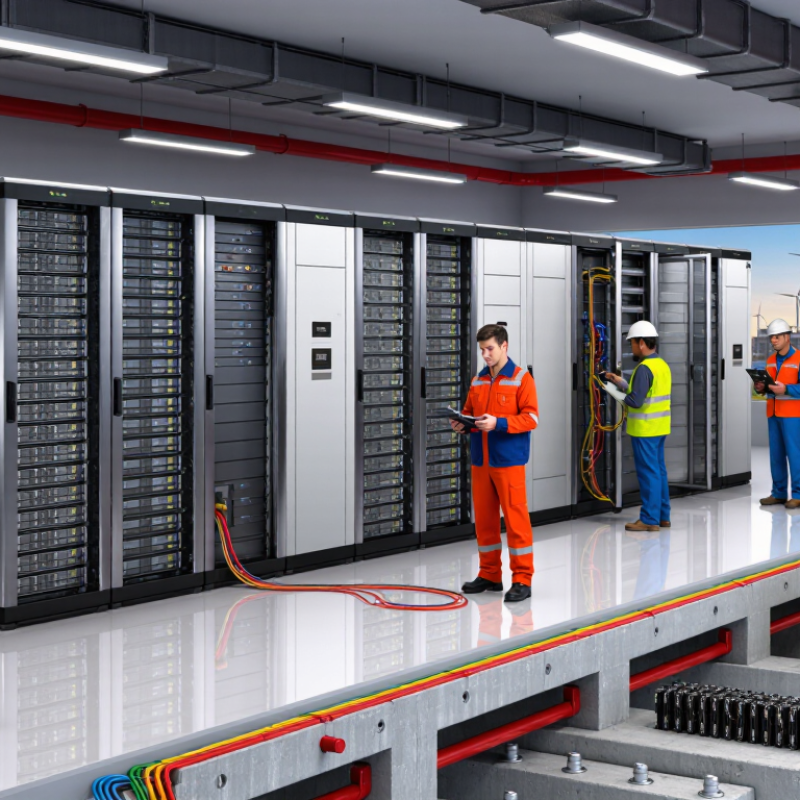
2026 Top Switchgear Installation Cost Factors Worldwide

What Is Switchgear Installation and Why Does It Matter in 2026?

Switchgear installation is the process of placing, connecting, testing, and commissioning equipment that controls electrical power. It includes circuit breakers, busbars, protection relays, control wiring, and cable terminations.

The work begins with a verified foundation and safe equipment access. Technicians then align sections, tighten connections, test insulation, and confirm protection settings. Small errors matter. A loose termination can create heat, outages, or equipment damage.

In 2026, installation costs vary widely by voltage level, site design, and local labor conditions. Indoor systems may require less weather protection, while outdoor installations need stronger enclosures and drainage. Remote projects can face expensive transport, cranes, accommodation, and specialist travel.

Civil works, earthing, fire protection, testing, and commissioning also affect the final budget. Regional grid codes may require additional inspections or relay tests. A neat estimate can still be wrong if these details are missing.

Installation matters because switchgear must interrupt faults quickly and isolate damaged sections safely.

It also supports reliable power for factories, hospitals, transport systems, and renewable energy sites. Modern projects increasingly connect monitoring devices and digital protection controls, but software does not remove the need for careful field testing.

Engineers should review short-circuit levels, fault-clearing times, environmental conditions, and future load growth before energization. Conditions vary. Even experienced teams can underestimate coordination work between electrical, civil, and control contractors.

That uncertainty deserves a clear allowance in the project plan.

Which Global Factors Influence Switchgear Installation Costs?

Switchgear installation costs vary widely because the equipment is only one part of the project. Voltage level, fault rating, insulation type, and enclosure design strongly affect procurement and site work. A medium-voltage air-insulated lineup may need less civil preparation than gas-insulated equipment, but local standards can reverse that advantage. IEC 62271 requirements also influence factory testing, commissioning, and documentation.

Regional labor and construction conditions create another major difference. The IEA’s Electricity Grids and Secure Energy Transitions report estimates that annual global grid investment must rise above 600 billion dollars by 2030. This pressure increases demand for qualified engineers, testing specialists, and installation crews. In remote regions, transport can add serious cost. A single oversized panel may require special lifting equipment, road permits, and temporary storage.

Currency movement and material prices matter too. Copper, steel, control cables, and protective devices can change the final quotation before delivery. The World Bank’s Commodity Markets Outlook has repeatedly shown significant volatility in industrial metals, making fixed-price offers risky. Site conditions are easy to underestimate. Poor soil, high humidity, salt exposure, or limited access may require foundations, corrosion protection, drainage, or climate control. A clean spreadsheet can mislead. Experienced estimators should compare supplier quotations with recent project records, local wage data, logistics costs, and commissioning hours. Even then, the allowance may be imperfect. That uncertainty deserves a visible contingency, not hidden optimism.

How Do Equipment Types and Ratings Change the Installation Budget?

Switchgear type is one of the clearest drivers of installation cost worldwide. Low-voltage assemblies usually need less clearance, lighter lifting equipment, and simpler protection testing. Medium-voltage systems require stronger insulation, larger cable terminations, and more careful relay coordination. High-voltage installations add wider safety zones, heavier structures, specialized testing, and stricter commissioning procedures. The voltage rating changes both equipment price and site preparation.

Air-insulated switchgear often needs a larger electrical room, but technicians can access many components directly. Gas-insulated equipment may reduce the building footprint, yet it demands controlled assembly, accurate sealing, and specialized inspection. Compact equipment can save civil costs. It can also increase planning pressure. A small mistake in cable bending space becomes expensive later.

Current ratings affect busbar size, conductor weight, heat control, and connection hardware. A 4,000-ampere lineup may require stronger supports and upgraded ventilation. Short-circuit ratings can increase enclosure strength, bracing, and arc-flash protection costs. These details are easy to underestimate. A budget should include factory checks, transport, lifting, field testing, grounding, protection settings, and operator training. Weather and local labor rates also matter. A spreadsheet may still miss crane access or delayed inspections. Careful site surveys reduce surprises, but they cannot remove every uncertainty.

What Labor, Site, Transport, and Compliance Costs Should Be Expected?

In 2026, switchgear installation costs depend on more than equipment prices. Labor is often the largest variable. Skilled technicians may charge different rates across regions, while night work, confined spaces, and high-voltage testing increase the bill. A small urban project can require fewer workers, but stricter access rules may extend the schedule.

Site conditions create hidden costs. Existing buildings may need cable rerouting, temporary shutdowns, floor reinforcement, or weather protection. A dusty room can delay testing. A flooded trench can change the entire work plan. Site surveys should record lifting points, cable distances, ventilation, and working clearances before pricing begins. Estimates are useful, not perfect.

Transport costs include crating, inland delivery, insurance, cranes, and storage. Remote sites may need several smaller deliveries instead of one large shipment. Customs documentation and local import procedures can also affect timing and cash flow. Compliance costs cover design reviews, certified testing, grounding checks, arc-flash studies, permits, and inspection fees. Requirements differ by country and sometimes by utility or building authority. Missing one document can postpone energization for days. Allowing a contingency of 10% to 20% is practical, although complex sites may need more. A careful estimate should separate labor, site preparation, transport, compliance, and contingency instead of hiding them in one total.

How Can Businesses Estimate and Control Worldwide Installation Expenses?

2026 Top Switchgear Installation Cost Factors Worldwide

Worldwide installation expenses depend on more than equipment prices. Labor rates, voltage levels, site access, and local engineering requirements can change the budget sharply. A remote facility may require travel, accommodation, lifting equipment, and longer supervision. Import duties, currency movement, testing, and commissioning should also be listed separately. Small omissions become expensive later.

Businesses can improve estimates by preparing a detailed scope before requesting quotations. Include the switchgear rating, protection functions, cable routes, foundation work, control wiring, testing, and expected completion date. Request itemized offers from qualified contractors in the target region. Compare labor hours, exclusions, payment stages, and after-sales support, not only the final price. A site survey is valuable. It can reveal narrow doors, weak floors, heat, dust, or limited shutdown windows.

Tips: Use three cost scenarios: lean, expected, and difficult. Add a practical contingency for uncertain site conditions. Track spending by engineering, logistics, labor, testing, and changes. Freeze approved drawings before fabrication. Keep a change register. Review currency assumptions monthly. Do not treat every estimate as accurate; a neat spreadsheet can hide weak assumptions. Experienced teams still miss access delays or local coordination costs. That is worth challenging. A short review with an independent electrical engineer may prevent a costly redesign.

2026 Top Switchgear Installation Cost Factors Worldwide

Estimated share of total installation expenses by project type. Use these planning benchmarks to identify the largest cost drivers before requesting regional quotations.

Planning benchmark: percentages represent typical budget allocation ranges for industrial and utility switchgear installation projects. Actual costs vary with voltage level, labor rates, site access, civil-work requirements, import duties, testing standards, and project complexity. The values are intended for early-stage estimation rather than a supplier quotation.

FAQS

What are the main costs in a switchgear installation?

Major costs include labor, site preparation, transport, compliance, testing, and contingency. Equipment pricing is only one part. A careful estimate separates each category.

Why can labor costs vary between projects?

Skilled technicians charge different rates across regions. Night work, confined spaces, and high-voltage testing can increase labor charges. Travel and accommodation may also apply at remote sites.

Which site conditions commonly create unexpected expenses?

Existing buildings may need cable rerouting, floor reinforcement, or temporary shutdowns. Dust can delay testing. A flooded trench may completely change the work plan.

What should a site survey record?

Record lifting points, cable distances, ventilation, doors, floor strength, and working clearances. Note dust, heat, water, and shutdown limits. Small details matter.

What transport expenses should businesses include?

Include crating, inland delivery, insurance, cranes, and storage. Remote projects may need several smaller deliveries. Customs documents can affect both timing and cash flow.

Which compliance activities can affect the installation budget?

Costs may include design reviews, certified testing, grounding checks, arc-flash studies, permits, and inspections. Requirements vary by country and authority. One missing document can delay energization for days.

How can a business request more accurate installation quotations?

Prepare a detailed scope before requesting offers. Include ratings, protection functions, cable routes, foundations, control wiring, testing, and deadlines. Ask for itemized pricing from qualified local contractors.

How much contingency should be included?

A 10% to 20% contingency is practical for many projects. Complex sites may require more. The percentage is not magic; weak assumptions can still cause overruns.

How can installation spending be controlled during the project?

Use lean, expected, and difficult cost scenarios. Track engineering, logistics, labor, testing, and changes separately. Freeze approved drawings before fabrication, but review assumptions monthly.

Are installation estimates always reliable?

No. A neat spreadsheet can hide access delays or local coordination costs. Even experienced teams miss details. An independent electrical review may prevent an expensive redesign.

Conclusion

Switchgear installation is a critical investment in electrical safety, reliability, and operational continuity in 2026. It involves preparing the site, positioning and connecting equipment, testing protection systems, and commissioning the completed installation. Understanding what factors affect switchgear installation costs is essential because budgets can vary significantly by country, project scale, local labor rates, supply conditions, currency changes, and compliance requirements.

Equipment type, voltage rating, current capacity, configuration, and automation level all influence the installation budget. Businesses must also account for engineering services, skilled labor, civil works, lifting equipment, transport, storage, testing, documentation, and site access conditions. Remote locations, difficult climates, and complex integration needs may add further expense. To control worldwide installation costs, companies should define technical requirements early, request detailed quotations, compare total lifecycle value rather than purchase price alone, plan logistics carefully, and include realistic contingencies for schedule or material changes. Thorough planning and qualified supervision can reduce delays, improve safety, and support predictable project outcomes.

Henry

Henry

Henry is a dedicated marketing professional with a profound expertise in the company's offerings. With years of experience in the industry, he possesses an impressive understanding of the market dynamics and consumer behaviors that drive success. Henry is committed to sharing his insights through......